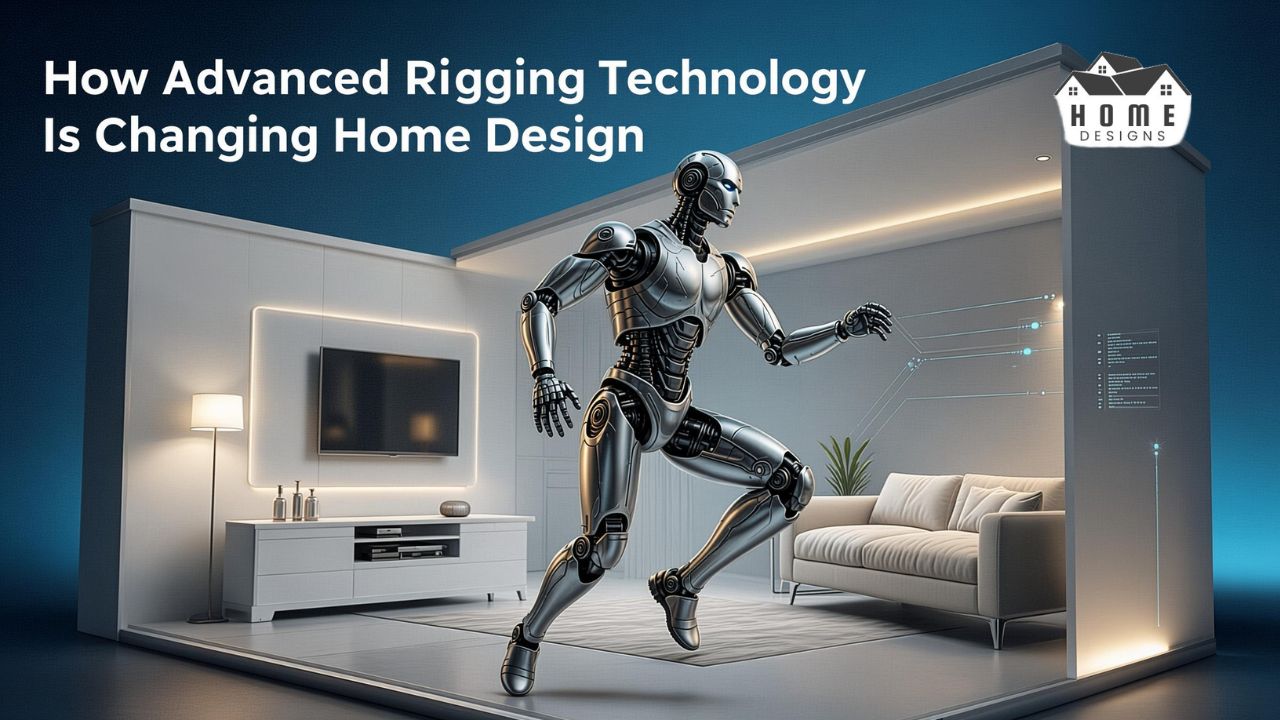
Home design has evolved far beyond traditional materials and straightforward construction methods. Today’s homes often feature oversized glass walls, custom steel elements, floating staircases, and large stone installations that push the limits of what can be safely installed in residential settings. Behind many of these modern design achievements lies a critical yet often overlooked component: advanced rigging technology.
Rigging and heavy lifting are no longer limited to large-scale industrial or commercial projects. As residential architecture grows more ambitious, designers and builders increasingly rely on professional rigging solutions to bring complex ideas to life safely and efficiently.
Enabling Larger and More Ambitious Design Elements
Modern home design trends emphasize openness, natural light, and bold statement pieces. This often means incorporating materials that are much larger and heavier than those traditionally used in residential construction.
Floor-to-ceiling glass panels, for example, can weigh hundreds or even thousands of pounds. Installing them requires precise lifting and placement that cannot be achieved manually. Rigging systems with synthetic slings and spreader bars allow crews to lift large panels evenly, minimizing stress points and reducing the risk of breakage.
Similarly, large steel beams used in open-concept layouts must be carefully positioned. Chain slings paired with shackles and master links create secure lifting configurations capable of handling heavy loads while maintaining balance during placement. These tools make it possible to achieve architectural designs that would otherwise be impractical..
Improving Precision in Tight Residential Spaces
Unlike commercial construction sites, residential projects often have limited access and tighter working conditions. Narrow driveways, landscaped yards, and existing structures all pose challenges when moving heavy materials.
Advanced rigging tools, such as beam clamps and adjustable lifting devices, help crews work within these constraints. Beam clamps can be attached to structural members, creating secure overhead lifting points without large cranes in confined areas. This enables controlled lifting and positioning of materials inside partially completed homes..
In addition, modern hoisting equipment, such as air and manual chain hoists, provides precise vertical control. These tools allow installers to make small adjustments during placement, which is essential when working with custom-fit elements such as cabinetry, stone countertops, or prefabricated wall sections.
Enhancing Safety on Residential Job Sites
Safety is one of the most significant ways rigging technology is transforming home design projects. Handling heavy and oversized materials poses serious risks if not managed properly. Advanced rigging equipment reduces these risks by providing reliable load control and secure attachment points.
Synthetic slings, for instance, are designed to protect both the load and the workers. Their flexibility allows them to conform to delicate materials like glass or finished wood, reducing the risk of damage. At the same time, their high strength-to-weight ratio ensures they can handle substantial loads.
Rigging hooks, shackles, and turnbuckles are essential to maintaining system integrity. Turnbuckles allow fine-tuning of tension, ensuring loads remain stable during lifting and positioning. Proper use of this equipment minimizes shifting, swinging, or sudden load movement, which are common causes of accidents.
By incorporating these tools into residential projects, builders can meet higher safety standards while achieving complex design goals.
Supporting Prefabrication and Modular Construction
Another major trend in home design is the growing use of prefabricated and modular components. Walls, roof sections, and even entire rooms are now often built off-site and then transported for installation.
These prefabricated elements can be large and heavy, requiring careful handling during delivery and placement. Rigging systems with wire rope or synthetic web slings allow crews to lift these components securely without damaging them.
Spreader bars are especially valuable in these scenarios. By distributing the load across multiple lifting points, they prevent bending or warping of long or wide sections. This is especially important when installing modular walls or roof trusses that must maintain precise dimensions to fit properly.
Advanced rigging enables efficient handling of these large components, reducing installation time while preserving structural accuracy.
Integrating Technology for Better Planning and Execution
Modern rigging is not just about physical tools; it also includes advanced planning and monitoring technologies. Load-monitoring systems can be integrated into lifting setups to provide real-time feedback on weight and tension. This allows crews to verify that loads remain within safe working limits throughout the lift.
Digital planning tools also help teams map lifting paths and identify potential obstacles before work begins. In residential projects, where space is often limited, this level of planning is essential to prevent delays and ensure smooth execution.
These technological advancements enable designers and builders to collaborate more effectively. Complex installations can be planned with confidence, knowing that the necessary rigging solutions are available to support the vision.
Expanding Design Possibilities
Ultimately, advanced rigging technology is expanding what is possible in home design. Features once considered too difficult or risky to install in residential settings are now becoming standard in high-end and even mid-range homes.
Floating staircases, large-format stone walls, exposed structural steel, and expansive glass installations all require precise lifting and positioning. Without modern rigging tools such as chain hoists, beam clamps, lifting slings, and spreader bars, these features would be far more difficult to install.
As technology evolves, the gap between architectural vision and practical construction will continue to narrow. Designers will have greater freedom to innovate, and builders will have the tools to safely bring those ideas to life.
The Future of Home Design with Advanced Rigging Technology
Advanced rigging technology is playing a critical role in shaping the future of home design. By enabling the safe handling of larger materials, improving precision in tight spaces, and supporting modern construction methods, rigging has become an essential part of residential construction.
For homeowners, this means access to more creative, customized design options. For builders and designers, it means fewer constraints and greater confidence in executing complex ideas. As demand for unique, high-quality homes continues to grow, the importance of professional rigging solutions will only increase.