
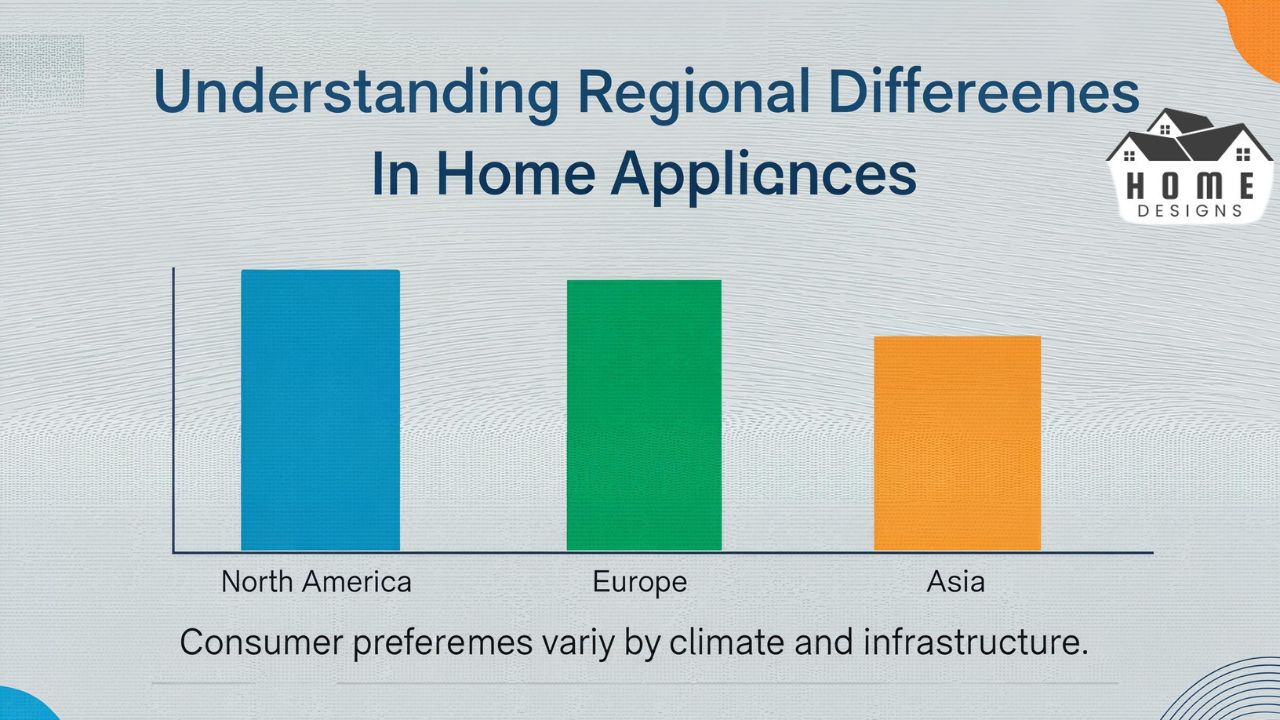
The world of home appliances is as varied as the cultures in which they are used. While globalization has led to a degree of standardization, regional differences remain pronounced. These appliances reflect local climates, traditions, and economic situations, making them unique to each region. This article examines how these differences manifest in today’s market to understand the underlying reasons.
Climate Dictates Design
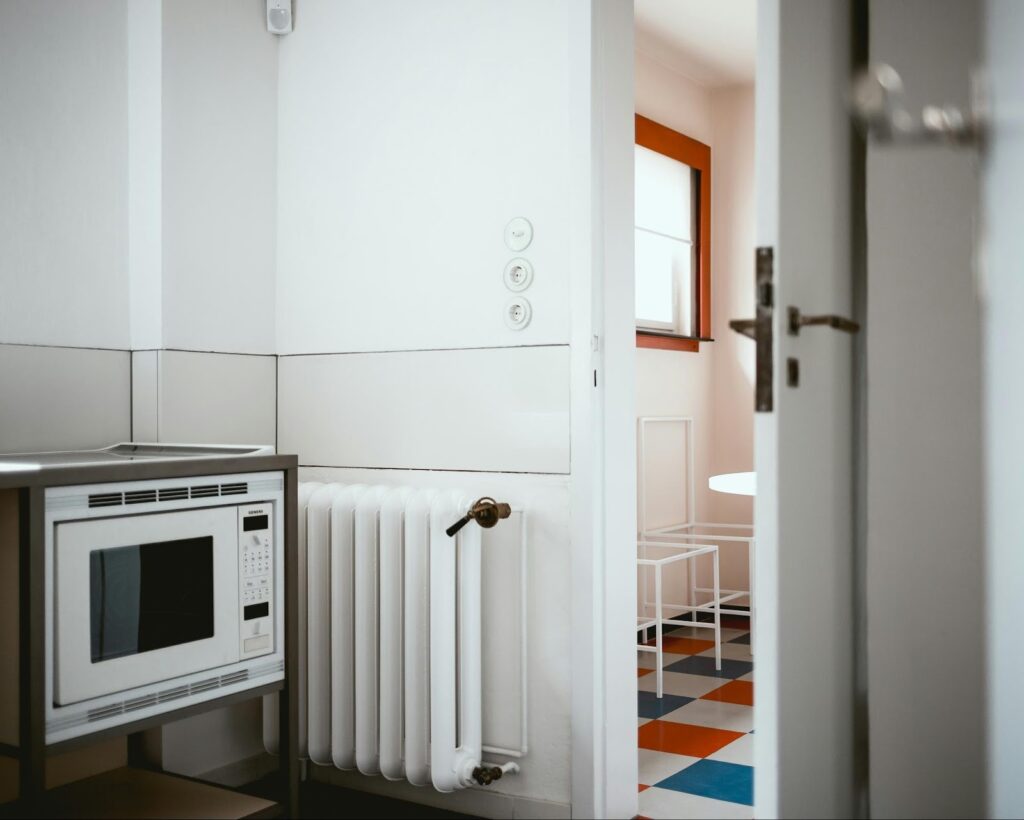
It’s no surprise that climate plays a major role in appliance design and usage. In regions with scorching summers, air conditioners are indispensable. In colder areas, central heating systems are crucial. But the nuances extend far beyond these basics. In tropical locales, for example, dehumidifiers are often standard, due to the oppressive humidity. In contrast, the Saharan and Middle Eastern regions often favor appliances designed to cope with sand and dust, complicating traditional designs.
Furthermore, appliances like dryers and stoves can have modified designs or functions based on climate conditions. For instance, in Scandinavia, where long, cold winters prevail, dryers might incorporate more advanced heating systems to help facilitate the drying process amidst damp conditions. Similarly, stoves in northern regions may have additional insulation to retain heat better, enhancing both efficiency and comfort during prolonged use. Chinese steamed food traditions have led to the popularity of steam ovens, which are efficiently matched to local culinary styles and seasonal needs.
In areas subjected to fluctuating seasonal conditions, practical upkeep of systems becomes pivotal. For instance, dealing with extreme cold often necessitates regular maintenance of heating mechanisms, like water heater repair to ensure efficient performance year-round. Those in Chicagoland often choose King Heating for this type of service. These adjustments highlight how even service and upkeep can be influenced by climatic and regional necessities.
Cultural Preferences
Cultural nuances also influence home appliance preferences. In Japan, where space is at a premium, the penchant for multifunctional appliances reigns supreme. Here, toilets with built-in bidets are as common as the rice cookers found in nearly every kitchen. In European homes, the preference skews towards energy efficiency due in part to stringent regulatory frameworks. Contrast this with the United States, where energy costs are lower, and larger, convenience-oriented appliances dominate. These preferences highlight cultural priorities, from resource conservation to maximizing personal comfort.
Beyond practical applications, cultural traditions are deeply intertwined with appliance usage. For instance, traditional Indian and Chinese kitchens heavily feature equipment facilitating their distinct cooking styles, such as tandoors and wok burners. This highlights a deeper focus on preserving culinary heritage while offering modern convenience. In Italy, coffee culture has prompted widespread use of espresso machines, embodying a societal love for quality coffee that’s deeply rooted in its daily routine.
Economic Forces
Economic variances contribute significantly to the choice and availability of home appliances. In wealthier regions, higher-end products with premium features are ubiquitous. However, in less affluent areas, cost becomes the primary factor driving choices. This doesn’t mean that less expensive products are of inferior quality; rather, they embody different priorities—prioritizing durability and basic functionality over flashy extras.
In regions like Southeast Asia, where economic growth is often coupled with lower disposable incomes, there’s a market for “affordable luxury” appliances. Suitable technology that is both attainable and aspirational thrives here, demonstrating that economic strategies prioritize balancing cost without compromising desirable features. This has led to businesses leveraging upgraded versions of existing products that appeal to emerging middle classes.
Technological Adoption Rates
The rate at which new technology is adopted often differs across regions. In South Korea, a leader in tech innovation, smart refrigerators with internet connectivity are not uncommon. Conversely, in parts of Sub-Saharan Africa, basic electrical appliances are still a luxury for many households. This tech divide signals the varying speeds at which regions embrace and afford new technologies, ultimately shaping the landscape of household necessities.
Interestingly, these differences can also foster unique technological solutions. African nations like Kenya have begun integrating solar-powered appliances as a viable and sustainable solution in remote areas. Meanwhile, Chinese 5G advancements have boosted connections in remote rural regions, allowing for the spread and use of more sophisticated appliances in areas previously underserved by technological infrastructure.
Regulatory Impacts
Regulations significantly shape the home appliance market, dictating everything from energy standards to safety features. In the European Union, stringent emissions rules have driven innovation towards more eco-friendly designs. In contrast, where such regulations are less pronounced, manufacturers focus on features that entice consumers, with less concern for environmental impact. These legal landscapes inevitably mold the products available to consumers, often serving as a benchmark for global markets.
Governments around the world are now increasingly pushing for sustainable solutions, promoting innovation across the board. In Australia, strict water conservation laws have boosted the development of water-efficient dishwashers and washing machines, even as it penalizes those with higher consumption rates. Similarly, incentives for purchasing energy-saving appliances in regions like Canada have accelerated the adoption of green technologies, illustrating a merging point where ecological and economic considerations align.
Closing ThoughtsFinal Thoughts
The differences in home appliances across regions are a testament to the diversity of human needs and priorities. While globalization brings standardization in certain aspects, regional differences continue to define the essence of household machines. From the climates that dictate function to cultural, economic, and technological factors that shape design, our homes’ contents tell a broader story of the world’s varied landscape. Understanding these differences not only enriches our global perspective but also underscores the countless possibilities inherent in domestic innovation.