Introduction
Imagine sipping your morning coffee surrounded by sunlight, fresh air, and the calm of the outdoors—without dealing with bugs, rain, or extreme temperatures. That’s exactly what three season rooms offer: a comfortable middle ground between indoor living and nature.
These spaces have become one of the smartest home upgrades in recent years, especially for homeowners who want more usable space without the cost of a full extension. Whether you’re trying to boost property value, create a relaxing retreat, or expand your entertaining area, this concept delivers real, practical benefits.
The reason this topic matters? Most homeowners either overbuild or underutilize their outdoor areas. A well-designed seasonal room fixes both problems—if you do it right. And that’s where most people get it wrong.
What Are Three Season Rooms?
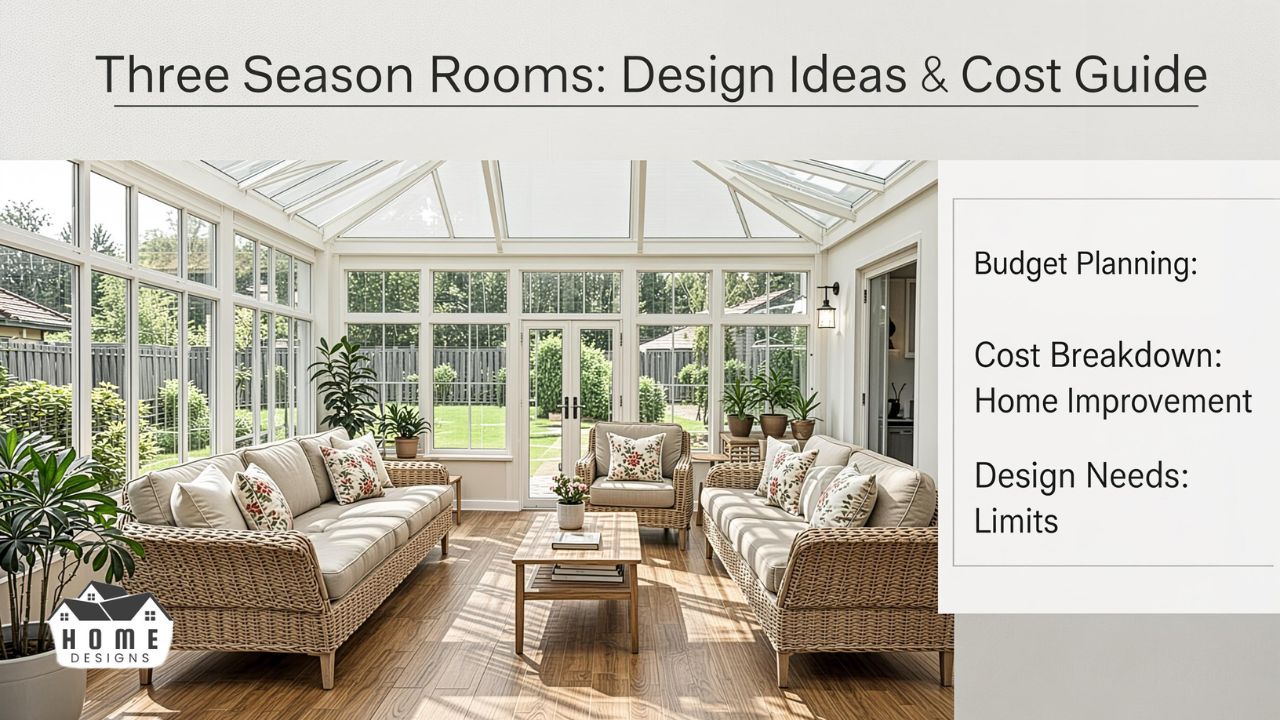
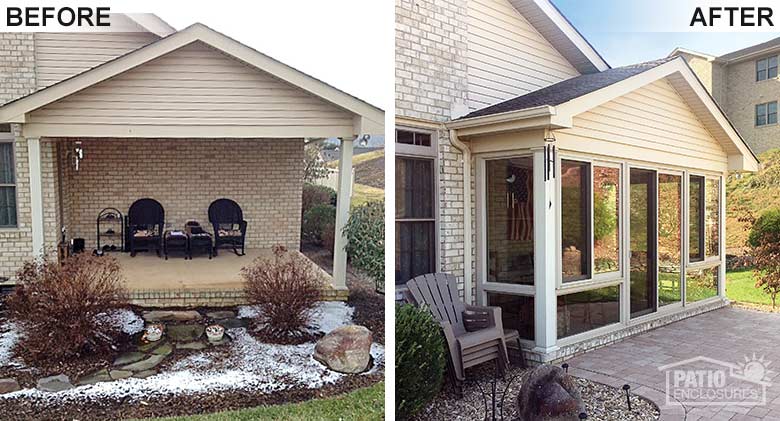
A three season room is a semi-enclosed living space designed for use in spring, summer, and fall. It typically includes large windows or screens, minimal insulation, and limited or no heating.
Key Characteristics
- Built with glass panels, screens, or vinyl windows
- Not designed for winter use in extreme climates
- Usually attached to the home (porch, deck, or patio conversion)
- Offers natural ventilation and sunlight
Why They’re Different From Sunrooms
Many people confuse this concept with a four-season sunroom. The difference is simple:
- Three season rooms: No full insulation or HVAC system
- Four-season rooms: Fully insulated and usable year-round
This distinction matters because it directly affects cost, design complexity, and ROI.


Why Homeowners Are Choosing Three Season Rooms
Let’s cut through the hype—this trend isn’t about aesthetics alone. It’s about efficiency.
1. Cost vs. Value Balance
A full home addition can cost a fortune. But three season rooms deliver:
- Lower construction costs
- Faster build time
- Strong resale appeal
2. More Usable Space Without Major Renovation
Instead of tearing walls down, you’re upgrading an existing outdoor structure.
3. Lifestyle Upgrade
- Morning relaxation space
- Evening entertainment area
- Work-from-home alternative
4. Connection With Nature
You get natural light and airflow without sacrificing comfort.
Design Ideas for Three Season Rooms
Most people make one big mistake: they treat this space like a leftover area. That’s wrong. If designed properly, it becomes one of the most used rooms in your home.
Furniture That Works
Avoid heavy indoor furniture. Instead, use:
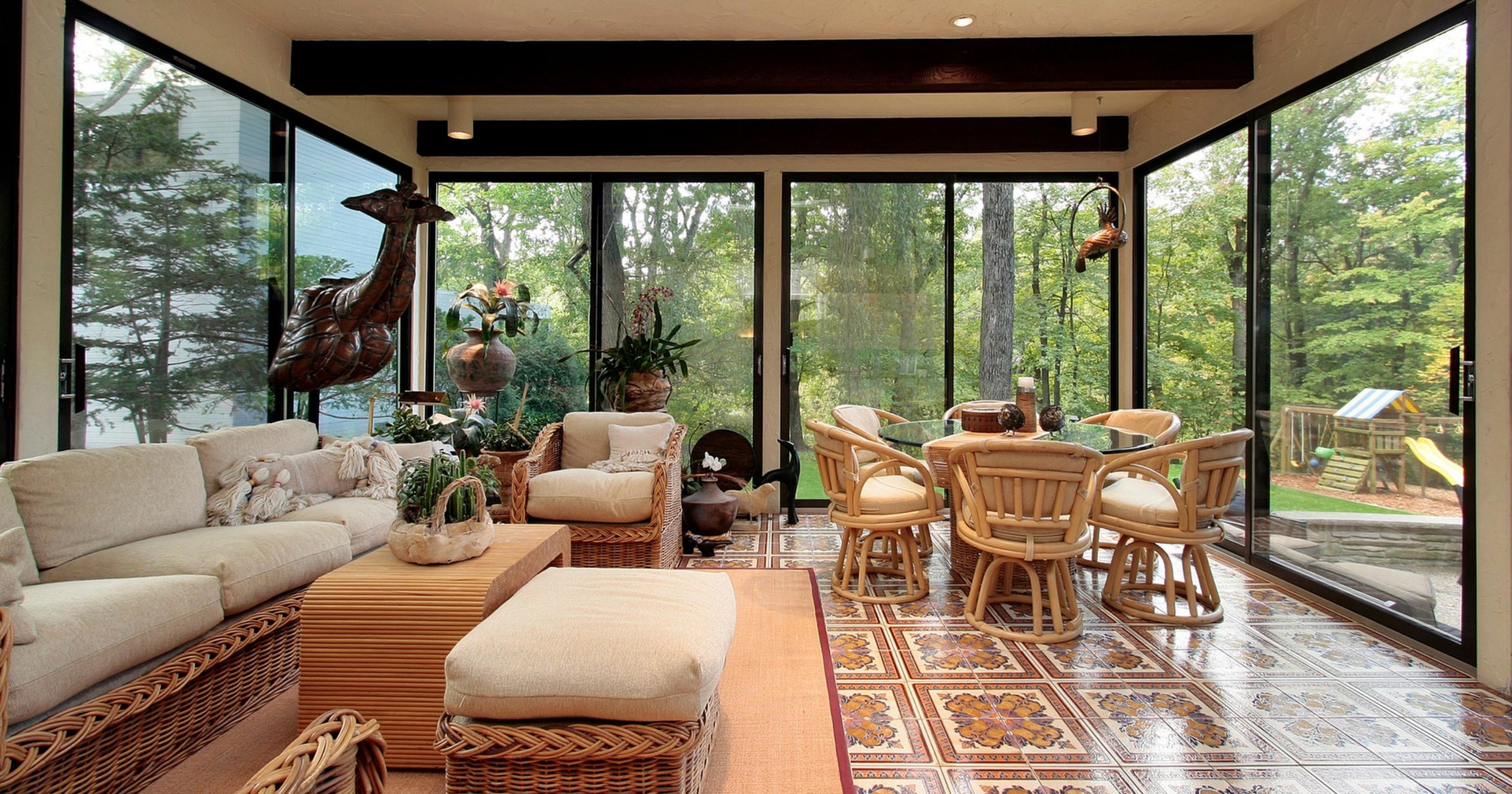
- Weather-resistant wicker
- Lightweight modular seating
- Foldable tables for flexibility
Flooring Options
Choose materials that handle temperature swings:
- Tile (durable and easy to clean)
- Vinyl plank (budget-friendly)
- Sealed concrete (modern look)
Lighting Setup
Don’t rely only on daylight.
- String lights for ambiance
- Wall sconces for function
- Floor lamps for cozy evenings

Common Mistakes to Avoid
Let’s be blunt—most builds fail because of poor planning.
1. Ignoring Climate
If you live in extreme heat or cold, your design must adapt.
2. Cheap Materials
Low-quality windows or frames lead to:
- Drafts
- Leaks
- Higher maintenance
3. Poor Ventilation
Without airflow, the room becomes unusable in summer.
4. Overdesigning
Spending too much defeats the purpose. This is not a full living room replacement.
Cost Breakdown of Three Season Rooms
Here’s the reality: pricing varies wildly depending on materials and size.
Average Cost Range
- Basic setup: $8,000 – $15,000
- Mid-range build: $15,000 – $30,000
- High-end design: $30,000+
What Affects the Cost?
- Size of the room
- Window type (glass vs. vinyl)
- Flooring material
- Electrical work
- Custom design features
Where You Should Spend More
- Windows (don’t cheap out here)
- Structural framing
- Weatherproofing
Where You Can Save
- Furniture
- Decor
- Lighting upgrades
How to Build Three Season Rooms the Smart Way
You have two main paths: DIY or professional build. Choose wisely.
DIY Approach
Works if you:
- Already have a porch or deck
- Have basic construction skills
- Want to save money
Professional Installation
Better if:
- You need structural changes
- You want permits handled
- You’re aiming for long-term value
Step-by-Step Process
- Assess existing structure
- Define purpose (relaxation, dining, etc.)
- Choose materials
- Plan ventilation
- Install windows and framing
- Finish with flooring and decor
Are Three Season Rooms Worth It?
Short answer: yes—but only if you use them.
When It’s Worth It
- You entertain guests often
- You want a relaxing personal space
- Your outdoor area is underused
When It’s Not
- You expect year-round use
- You live in extremely cold regions
- You don’t plan to maintain it
ROI Perspective
- Adds usable square footage
- Improves curb appeal
- Increases buyer interest
Maintenance Tips for Long-Term Use
Most people ignore this—and regret it later.
Regular Cleaning
- Clean windows monthly
- Sweep or vacuum flooring weekly
Seasonal Checks
- Inspect seals and frames
- Check for moisture damage
Weather Protection
- Use blinds or curtains for sun control
- Add removable panels in colder months
FAQ Section
What is the main purpose of three season rooms?
They provide a comfortable space to enjoy outdoor views without exposure to weather, usable for most of the year except winter.
Can you use three season rooms in winter?
Not comfortably. Without insulation or heating, they become too cold in winter climates.
How long does it take to build one?
Typically 2–6 weeks depending on complexity and materials.
Do three season rooms add home value?
Yes, especially when designed well and integrated with the home.
What is the difference between a screened porch and a three season room?
A screened porch uses mesh for airflow, while a three season room includes glass or vinyl windows for more protection.
Do you need a permit to build one?
In most areas, yes—especially if structural changes are involved.
What type of windows are best?
Vinyl windows are cost-effective, while glass offers better durability and aesthetics.
Can you convert a deck into one?
Yes, as long as the structure is strong enough to support walls and windows.
Conclusion
If you’re serious about upgrading your living space without blowing your budget, three season rooms are one of the smartest moves you can make. But don’t approach it casually—poor planning will turn it into a wasted investment.
Focus on function first, design second. Choose quality materials where it matters, and avoid overcomplicating the build. Done right, this space becomes more than an addition—it becomes the most used part of your home.