Introduction
There’s something undeniably freeing about simplifying your life—and that’s exactly why prefab tiny homes are capturing attention worldwide. Imagine owning a stylish, efficient home without the crushing weight of a massive mortgage or endless maintenance. Sounds appealing, right?
In reality, prefab tiny homes are more than just a trend—they represent a shift toward smarter, more intentional living. Whether you’re trying to cut costs, reduce your environmental footprint, or simply escape the chaos of oversized living spaces, this movement offers a practical solution.
But here’s the thing: not all tiny homes are created equal. Prefabrication adds a whole new layer of efficiency, affordability, and customization that many people overlook.


So if you’ve ever wondered whether prefab tiny homes are worth it—or how to get started—you’re in the right place.
What Are Prefab Tiny Homes?
Definition and Core Concept
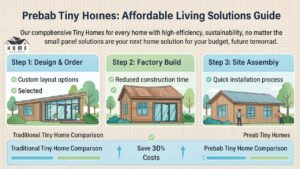
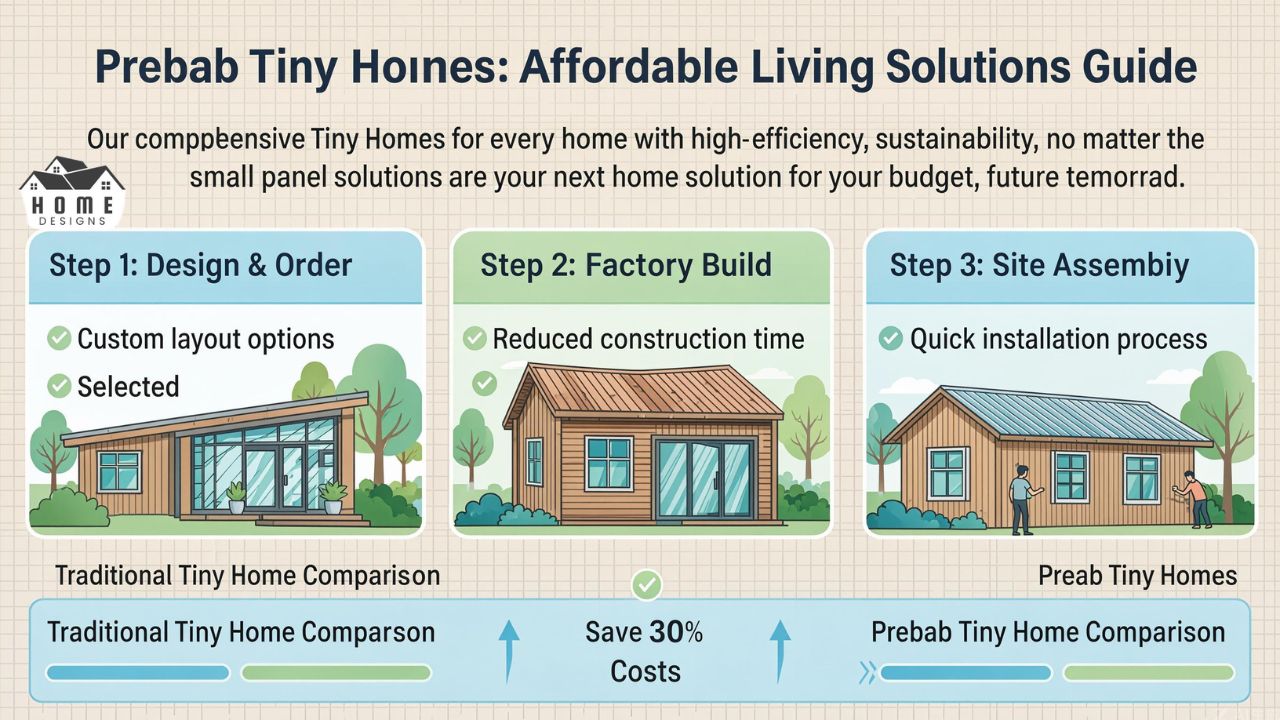
Prefab tiny homes are small residential units—typically under 400 square feet—that are partially or fully constructed in a factory before being transported to a site for final assembly.
Unlike traditional construction, prefab (short for prefabricated) homes are built in controlled environments. This reduces waste, improves efficiency, and often speeds up completion time.
Key Characteristics
- Built off-site in sections or modules
- Delivered and assembled on location
- Designed for efficiency and compact living
- Often customizable
In essence, prefab tiny homes combine the simplicity of small living with the precision of modern construction technology.
Why Prefab Tiny Homes Are Gaining Popularity
A Shift Toward Minimalism
People are increasingly rejecting excess. Instead of large, underused homes, many are choosing smaller, purposeful spaces.
Rising Housing Costs
Housing prices continue to climb globally. Prefab tiny homes provide a realistic alternative for:
- First-time buyers
- Retirees
- Remote workers
Sustainability Matters More Than Ever
Prefab construction reduces waste by up to 30% compared to traditional building methods. That’s not just efficient—it’s responsible.
Flexibility and Mobility
Some prefab tiny homes are portable, allowing homeowners to relocate without selling their property.
Types of Prefab Tiny Homes
Modular Tiny Homes
These are built in sections (modules) and assembled on-site.
Best for: Permanent living
Advantage: High customization
Panelized Tiny Homes
Walls and components are pre-built as panels and assembled like a puzzle.
Best for: Faster builds
Advantage: Lower transportation costs
Pre-Cut Tiny Homes
Materials are cut in a factory and delivered for assembly.
Best for: DIY enthusiasts
Advantage: Cost savings
Shipping Container Tiny Homes
Repurposed containers transformed into compact living spaces.
Best for: Industrial aesthetics
Advantage: Durability
Cost Breakdown of Prefab Tiny Homes
Understanding costs is crucial before diving in.
Average Price Range
| Type | Price Range |
|---|---|
| Basic prefab tiny homes | $20,000 – $50,000 |
| Mid-range models | $50,000 – $100,000 |
| Luxury prefab tiny homes | $100,000 – $200,000+ |
What Influences Cost?
- Size and layout
- Materials used
- Custom features
- Delivery and installation
- Land costs
Hidden Expenses to Consider
- Utility connections
- Permits and zoning fees
- Foundation work
- Insurance
Benefits of Living in Prefab Tiny Homes
Financial Freedom
Lower upfront costs mean less debt—and that’s life-changing for many.
Faster Construction Time
Traditional homes can take months or even years. Prefab tiny homes are often ready in weeks.
Eco-Friendly Living
- Reduced waste
- Lower energy consumption
- Smaller carbon footprint
Simplified Lifestyle
Living smaller forces intentional choices—what you own, how you live, and what truly matters.
Challenges and Limitations to Consider
Limited Space
Let’s be honest—downsizing isn’t easy for everyone.
Zoning Restrictions
Not all areas allow prefab tiny homes. This can be a major hurdle.
Financing Issues
Some banks still treat tiny homes differently than traditional houses.
Resale Value
While growing, the resale market is still evolving.
Design Ideas and Interior Optimization
Smart Space Utilization
- Loft beds for vertical space
- Foldable furniture
- Built-in storage solutions
Open Floor Plans
Open layouts make small spaces feel larger and more breathable.
Natural Light Matters
Large windows and skylights create an illusion of space and improve mood.


Multi-Functional Areas
A dining table can double as a workspace. A couch can transform into a bed. Every inch counts.
Real-Life Examples and Case Studies
Case Study 1: Sarah’s Debt-Free Journey
Sarah, a freelance designer, downsized into one of the newer prefab tiny homes models. Within two years:
- She paid off all debt
- Reduced living expenses by 60%
- Gained financial independence
Case Study 2: Remote Living Success
A couple moved into prefab tiny homes in a rural area, working remotely. They reported:
- Lower stress levels
- Increased savings
- Stronger work-life balance
Buying vs Building Prefab Tiny Homes
Buying Ready-Made
Pros:
- Quick move-in
- Professional design
- Less hassle
Cons:
- Limited customization
- Higher upfront cost
Building Custom
Pros:
- Full personalization
- Potential cost savings
Cons:
- Time-consuming
- Requires planning and expertise
Legal and Zoning Considerations
Important Factors
- Local zoning laws
- Minimum square footage requirements
- Utility regulations
Tips to Navigate
- Check with local authorities
- Work with experienced builders
- Understand land ownership rules
Personal Background: The Rise of Tiny Home Entrepreneurs
The growth of prefab tiny homes has also created a new wave of entrepreneurs. Builders, designers, and influencers have turned this niche into thriving businesses.
Career Journey
Many started as architects or sustainability advocates and transitioned into tiny home construction due to rising demand.
Achievements
- Development of eco-friendly housing models
- Innovation in modular design
- Expansion into global markets
Financial Insights
Some successful tiny home entrepreneurs generate six to seven figures annually through:
- Custom builds
- Online courses
- YouTube and social media
This industry is no longer fringe—it’s a legitimate business ecosystem.
Frequently Asked Questions
Are prefab tiny homes cheaper than traditional homes?
Yes, in most cases. They cost significantly less due to reduced materials and labor.
How long do prefab tiny homes last?
With proper maintenance, they can last 30–50 years or more.
Can prefab tiny homes be moved?
Some models are mobile, while others are permanently installed.
Do prefab tiny homes appreciate in value?
It depends on location, demand, and quality of construction.
Are prefab tiny homes energy efficient?
Absolutely. Many are designed with sustainability in mind, using insulation and solar options.
Is financing available for prefab tiny homes?
Yes, but options may differ from traditional home loans.
Can families live in prefab tiny homes?
Yes, though space planning becomes crucial for comfort.
What size are prefab tiny homes typically?
Most range between 100 and 400 square feet.
Conclusion
Prefab tiny homes aren’t just about living small—they’re about living smarter. They challenge traditional ideas of space, ownership, and what it truly means to feel “at home.”
Whether you’re chasing financial freedom, sustainability, or a simpler lifestyle, prefab tiny homes offer a compelling path forward. That said, it’s not a one-size-fits-all solution. It requires thoughtful planning, adaptability, and a willingness to rethink how you live.
But for those who take the leap, the rewards often go far beyond square footage.