Introduction
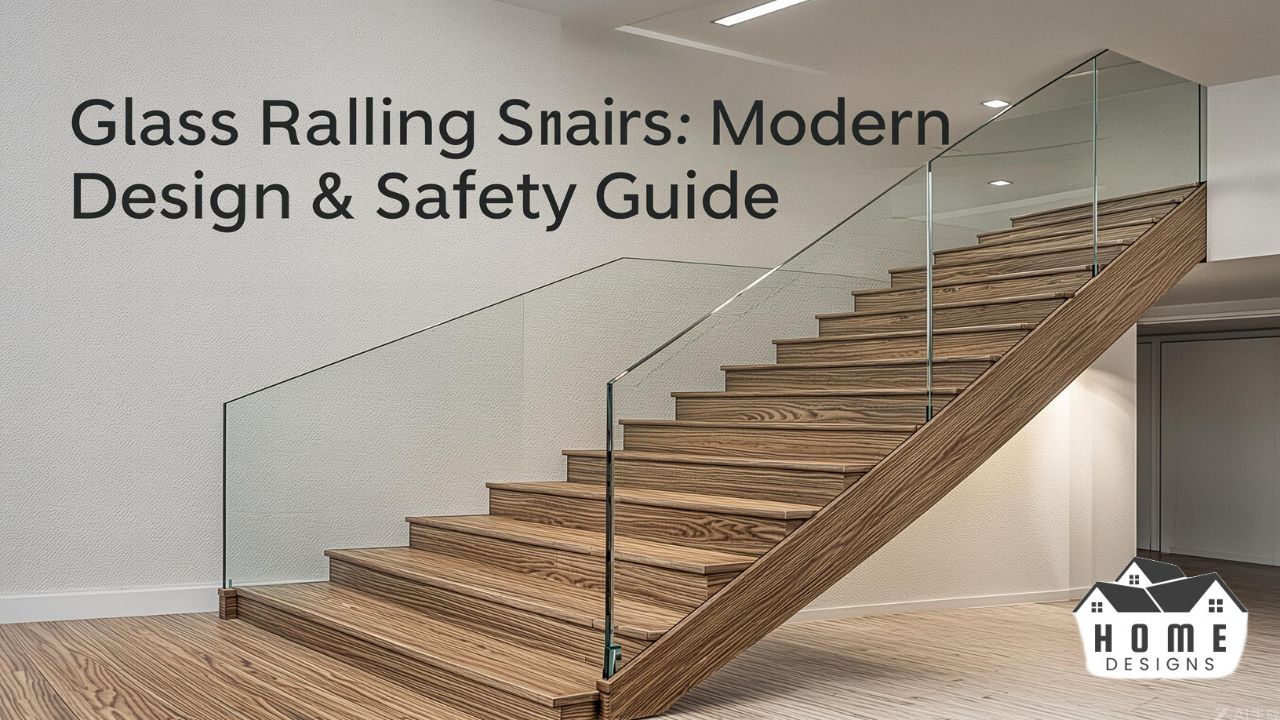
There’s something undeniably striking about walking into a space and seeing a staircase that feels almost invisible—floating, open, and effortlessly modern. That’s the visual power of glass railing stairs, and it’s exactly why they’ve become one of the most sought-after design upgrades in both homes and commercial spaces.
But this isn’t just about aesthetics. People are turning to glass railings because they solve real problems: dark interiors, cramped layouts, outdated designs, and even property value limitations. A well-designed staircase can completely change how a space feels—and how it performs.
If you’re considering upgrading your staircase or planning a new build, this guide breaks down everything you need to know—from design styles and costs to safety and long-term value. No fluff, just practical insight.
Why Glass Railing Stairs Are Taking Over Modern Design
The shift toward open-concept living has forced traditional staircases to evolve. Bulky wooden or metal railings block light, interrupt flow, and visually shrink your space. Glass solves all of that.


Glass railings create the illusion of more space. Light travels freely, making even small homes feel bigger. In high-end architecture, this isn’t optional anymore—it’s expected.
Key Advantages
- Maximizes natural light
- Creates a modern, high-end look
- Enhances resale value
- Works with multiple interior styles
- Low visual clutter
Here’s the blunt truth: if your staircase still has thick balusters or outdated railings, it’s dragging your entire interior down.
Types of Glass Railing Stairs You Should Know
Not all glass railings are the same. Choosing the wrong type can cost you more money and compromise safety.
Frameless Glass Railings
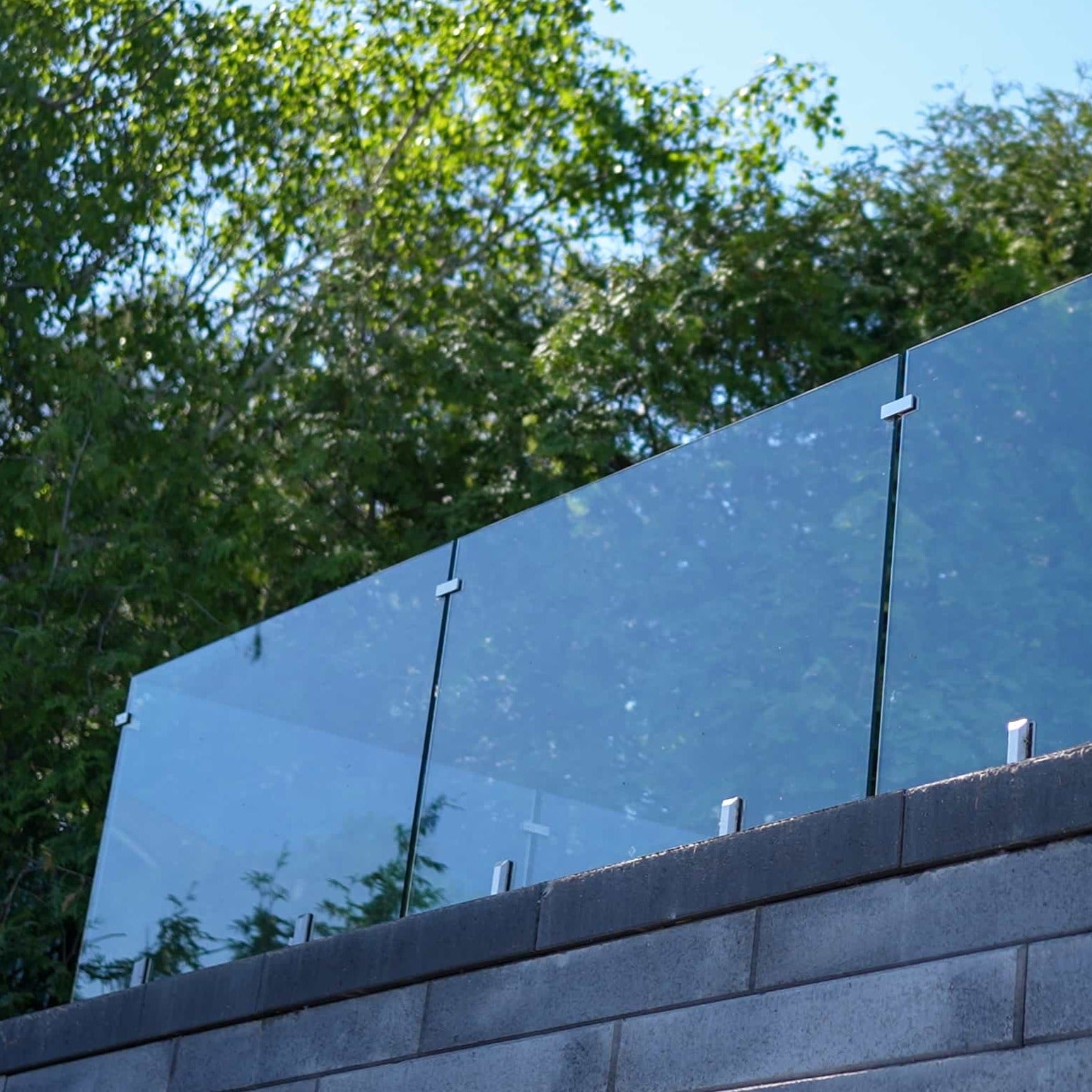
This is the premium option. No visible metal frames—just clean, uninterrupted glass panels.
Best for: Luxury homes, modern architecture
Downside: Higher cost and requires precise installation
Semi-Frameless Glass Railings
A mix of glass panels with minimal metal support.
Best for: Balanced aesthetics and budget
Downside: Slightly less sleek than frameless
Framed Glass Railings
Glass panels enclosed in metal or wood frames.
Best for: Budget-conscious projects
Downside: Less modern appearance
Glass with Handrails
Some designs combine glass panels with wood or metal handrails.
Best for: Added grip and safety
Downside: Slightly reduces the “invisible” effect
Materials and Glass Types: What Actually Matters
Here’s where most people make mistakes—they assume all glass is fragile. It’s not.
Tempered Glass
- Heat-treated for strength
- Breaks into small, blunt pieces
- Standard choice for staircases
Laminated Glass
- Two layers bonded with a plastic interlayer
- Holds together even when broken
- Higher safety rating
Frosted or Tinted Glass
- Adds privacy
- Reduces glare
- Slightly less “open” feel


If safety is your priority, laminated glass is the smarter investment. If budget matters more, tempered glass is usually enough.
Design Styles That Actually Work
Don’t just install glass railings blindly. The design needs to match your space.
Minimalist Modern
- Clean lines
- Neutral colors
- No visible hardware
Industrial Style
- Glass paired with black steel
- Works in lofts and urban homes
Luxury Contemporary
- Frameless glass
- Floating stairs
- LED lighting integration
Classic Fusion
- Glass combined with wood
- Softens the modern look
The mistake most people make? Mixing styles randomly. Stick to one direction or your staircase will look confused.
Cost Breakdown: What You’ll Really Pay
Let’s cut through the marketing—glass railings are not cheap.
Average Costs
- Framed glass railings: $100–$200 per linear foot
- Semi-frameless: $150–$300 per linear foot
- Frameless systems: $250–$600+ per linear foot
What Affects Pricing
- Glass thickness
- Type (tempered vs laminated)
- Hardware quality
- Installation complexity
- Custom design requirements
Here’s the reality: going cheap usually means compromising safety or appearance. If you’re investing, do it properly.
Safety Considerations You Can’t Ignore
A lot of people worry that glass is unsafe. That’s outdated thinking—but only if installed correctly.
Safety Features to Look For
- Minimum 10–12mm glass thickness
- Proper anchoring system
- Anti-slip stair surfaces
- Smooth, polished edges
Building Codes
Most regions require:
- Specific railing height (usually 36–42 inches)
- Load-bearing capacity
- Impact resistance
If your contractor doesn’t understand these, walk away immediately.
Installation: DIY vs Professional
Let’s be honest—this is not a DIY-friendly project for most people.
Why Professional Installation Matters
- Precision alignment is critical
- Improper installation = safety risk
- Glass handling requires expertise


When DIY Might Work
- Small projects
- Pre-fabricated kits
- Basic framed systems
But for anything frameless or custom? Hire professionals. Cutting corners here is a bad idea.
Maintenance: Easier Than You Think
One of the biggest myths is that glass railings are hard to maintain. They’re not—you just need consistency.
Simple Maintenance Routine
- Clean weekly with glass cleaner
- Use microfiber cloths to avoid streaks
- Avoid abrasive materials
Common Issues
- Fingerprints (especially in homes with kids)
- Dust buildup
- Water spots
If you’re the kind of person who hates cleaning, glass may annoy you. But in reality, it’s still easier than maintaining wood or metal.
Where Glass Railing Stairs Work Best
Not every home benefits equally. Placement matters.
Ideal Locations
- Open-plan homes
- Duplex houses
- Commercial offices
- Luxury apartments
Less Ideal Situations
- Extremely traditional interiors
- Very high-traffic industrial areas
- Homes with zero natural light (limited visual impact)
Glass Railing Stairs and Property Value
Here’s the part most people care about—ROI.
How It Adds Value
- Creates a premium look
- Attracts modern buyers
- Improves perceived space
Real estate agents consistently highlight upgraded staircases as a selling point. It’s not just decoration—it’s positioning your property as high-end.
Common Mistakes to Avoid
Let’s be brutally clear—these mistakes will cost you.
- Choosing cheap glass thickness
- Hiring inexperienced installers
- Ignoring safety codes
- Overcomplicating the design
- Mixing incompatible styles
If you avoid these, you’re already ahead of most homeowners.
FAQ
Frequently Asked Questions
Are glass railings safe for stairs?
Yes, when made from tempered or laminated glass and installed correctly, they are extremely safe and meet building standards.
Do glass railings break easily?
No. They are designed to withstand impact. Laminated glass even holds together if cracked.
Are glass railing stairs expensive?
Yes, compared to traditional materials. But they offer better aesthetics and higher property value.
How often do glass railings need cleaning?
Usually once a week for best appearance, especially in high-traffic areas.
Can glass railings be installed outdoors?
Yes, but they require weather-resistant hardware and proper sealing.
Do they scratch easily?
They can scratch, but high-quality glass is fairly resistant. Proper cleaning helps prevent damage.
Are they suitable for homes with kids?
Yes, especially laminated glass systems, which are safer and more durable.
Can I combine glass with wood or metal?
Absolutely. Hybrid designs are popular and often more budget-friendly.
Conclusion
If you’re serious about upgrading your space, glass railing stairs aren’t just a design trend—they’re a strategic improvement. They open up your home, modernize your interior instantly, and position your property at a higher level in the market.
But don’t approach this casually. The difference between a stunning staircase and a disappointing one comes down to execution—materials, design consistency, and installation quality.
Make smart choices, invest where it matters, and your staircase won’t just connect floors—it’ll define your entire space.