Table of Contents
ToggleIntroduction
Walk into a room with a vaulted ceiling, and something shifts instantly—you feel it before you even notice it. The space feels bigger, lighter, almost uplifting. It’s not just architecture; it’s an experience.
A vaulted ceiling has become one of the most desired features in modern and traditional homes alike. Whether you’re planning a renovation or simply dreaming about your ideal space, understanding how this design element works can completely change your perspective on interiors.
But here’s the thing: while it looks stunning, it’s not always the right choice for every home. That’s why we’re diving deep into everything—from design inspiration to practical considerations—so you can decide if it’s truly worth it.
What Is a Vaulted Ceiling?
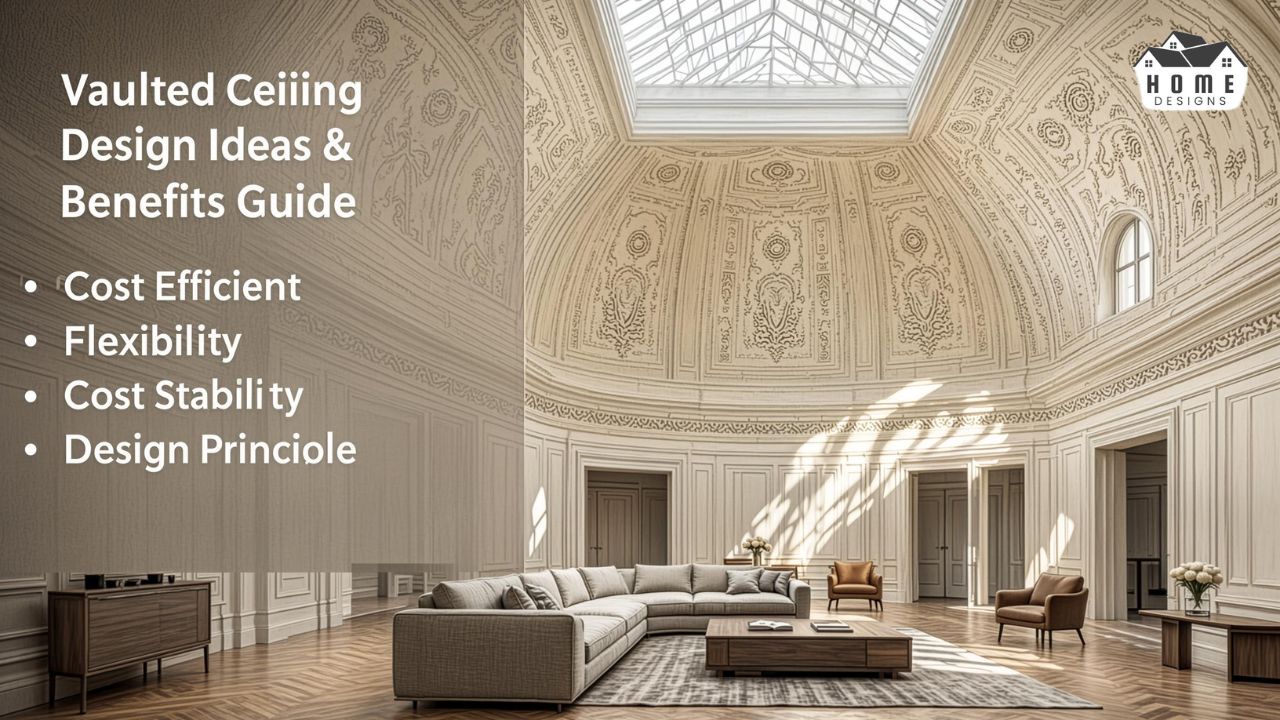
A vaulted ceiling is a ceiling that slopes upward, typically following the roofline, creating a higher and more open space than standard flat ceilings.
Key Characteristics
- Angled or curved structure
- Greater vertical height
- Often exposes beams or rafters
- Enhances natural light flow
Historically, vaulted ceilings were seen in cathedrals and grand buildings. Over time, they made their way into residential design, especially in luxury homes.
In simple terms, if your ceiling isn’t flat and instead rises dramatically, chances are you’re looking at a vaulted design.
Types of Vaulted Ceilings
Not all vaulted ceilings look the same. In fact, their style can dramatically change the feel of a room.
Barrel Vault
A smooth, curved ceiling resembling a tunnel. Often used in hallways or grand entrances.
Cathedral Ceiling
The most popular type, where both sides slope symmetrically to meet at a peak.
Groin Vault
Created by intersecting two barrel vaults. It adds architectural complexity and elegance.
Ribbed Vault
Common in Gothic architecture, featuring decorative ribs for support and aesthetics.
Dome Vault
A rounded ceiling forming a dome shape, often used in luxury or classical designs.
Each style offers a unique visual impact, so choosing one depends on your home’s architecture and personal taste.
Benefits of a Vaulted Ceiling
Let’s talk about why homeowners fall in love with this feature.
1. Creates a Sense of Space
Even in smaller homes, a vaulted ceiling makes rooms feel expansive and open.
2. Enhances Natural Light
With higher walls, you can install larger windows or skylights, flooding your space with daylight.
3. Adds Property Value
Homes with a vaulted ceiling often attract more buyers and can command higher prices.
4. Improves Air Circulation
Warm air rises, which can help with ventilation—especially in warmer climates.
5. Aesthetic Appeal
Let’s be honest—it just looks impressive. It instantly upgrades the feel of any room.
Drawbacks You Should Know
That said, it’s not all sunshine and skylights.
Higher Energy Costs
Heating and cooling can become more expensive due to the increased volume of air.
Maintenance Challenges
Cleaning high ceilings or replacing light fixtures isn’t exactly easy.
Construction Complexity
Adding a vaulted ceiling during renovation can be costly and structurally demanding.
Noise Echo
Larger spaces can sometimes create acoustic issues.
In reality, these downsides are manageable—but they’re important to consider upfront.
Vaulted Ceiling Design Ideas
If you’re convinced, the next step is making it look amazing.
Rustic Charm
Expose wooden beams for a cozy, farmhouse-style vibe.
Modern Minimalism
Keep it clean with white surfaces and sleek lighting fixtures.
Industrial Look
Combine metal beams with raw textures for a bold, urban feel.
Coastal Style
Use light colors, natural wood, and large windows for a breezy atmosphere.
Statement Lighting
A dramatic chandelier or pendant lights can turn your vaulted ceiling into a focal point.
Popular Design Elements
- Skylights
- Exposed beams
- Accent lighting
- Wooden finishes
- Neutral palettes
Cost and Construction Considerations
Before you start knocking down ceilings, let’s talk numbers.
Average Cost
- New construction: Moderate increase
- Renovation: Can be significantly expensive
Factors Affecting Cost
- Structural changes required
- Roof design
- Insulation needs
- Labor costs
Budget Tips
- Plan early in the design stage
- Consult structural engineers
- Compare contractor quotes
A vaulted ceiling is an investment—but when done right, it pays off in both comfort and resale value.
Lighting and Decor Tips
Lighting becomes even more important with higher ceilings.
Best Lighting Options
- Pendant lights
- Chandeliers
- Recessed lighting
- Track lighting
Decor Strategies
- Use tall curtains to emphasize height
- Add vertical artwork
- Incorporate large furniture pieces
That said, balance is key. Too much empty space can feel cold, while the right decor brings warmth.
Maintenance and Energy Efficiency
Here’s where practicality comes in.
Energy Tips
- Install ceiling fans to circulate air
- Use proper insulation
- Consider energy-efficient windows
Maintenance Advice
- Use extendable cleaning tools
- Schedule periodic inspections
- Choose durable materials
In reality, a well-maintained vaulted ceiling can last decades without major issues.
Personal Background: Famous Architects Who Popularized Vaulted Ceilings
While homeowners love the look, the roots of vaulted ceilings go back centuries.
Antoni Gaudí
Known for his work in Barcelona, Gaudí used unique vaulted designs in projects like the Sagrada Família. His creativity redefined architectural possibilities.
Career Journey
Gaudí began with traditional designs but quickly evolved into one of the most innovative architects in history.
Achievements
- Iconic architectural masterpieces
- Global recognition
- Influence on modern design
Financial Insights
Although exact figures are debated, Gaudí’s legacy contributes billions to Spain’s tourism economy annually.
Modern Influence
Today’s architects draw inspiration from these historical techniques, adapting them for contemporary homes.
FAQ Section
What is the purpose of a vaulted ceiling?
It primarily enhances space and aesthetics, making rooms feel larger and more open.
Is a vaulted ceiling expensive?
Yes, especially during renovations. Costs depend on structural changes and materials.
Does a vaulted ceiling increase home value?
In most cases, yes. It adds visual appeal and attracts buyers.
Are vaulted ceilings energy efficient?
Not always. However, proper insulation and ventilation can improve efficiency.
Can you add a vaulted ceiling to an existing home?
It’s possible but requires structural modifications and professional expertise.
What rooms are best for vaulted ceilings?
Living rooms, master bedrooms, and entryways are ideal choices.
How do you clean a vaulted ceiling?
Use extendable tools or hire professionals for safe maintenance.
Do vaulted ceilings cause heating problems?
They can, as warm air rises. Ceiling fans help redistribute heat.
Conclusion
A vaulted ceiling isn’t just a design feature—it’s a statement. It transforms ordinary rooms into extraordinary spaces, adding light, depth, and personality.
However, like any major design decision, it comes with trade-offs. From cost to maintenance, it’s important to weigh both sides carefully.
If you value openness, natural light, and architectural beauty, a vaulted ceiling might just be the upgrade your home needs.