Introduction
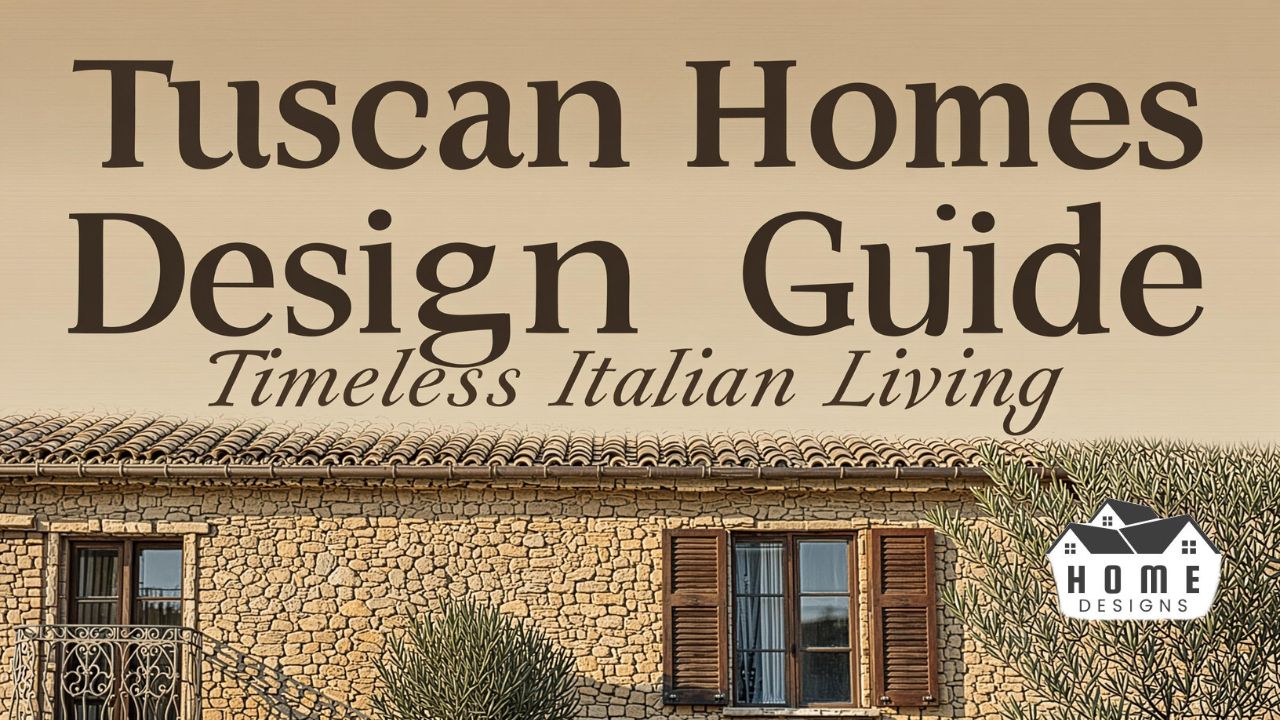
There’s something undeniably romantic about tuscan homes—the kind of beauty that feels both effortless and deeply rooted in history. Imagine sun-soaked walls, terracotta roofs, and the soft glow of golden light filtering through rustic windows. It’s not just a design style; it’s a lifestyle inspired by the rolling hills of Tuscany.
People are drawn to this style because it brings warmth, comfort, and authenticity into everyday living. In a world of fast trends and modern minimalism, this timeless aesthetic offers something different—something grounded, soulful, and enduring.
Whether you’re building from scratch or simply refreshing your space, understanding what makes this style special can help you create a home that feels inviting and lived-in in the best possible way.
What Defines Tuscan Homes?
At their core, tuscan homes are inspired by the countryside of central Italy, where architecture evolved naturally from the land and climate. These homes reflect simplicity, durability, and a strong connection to nature.
Key Architectural Features
The most recognizable elements include:
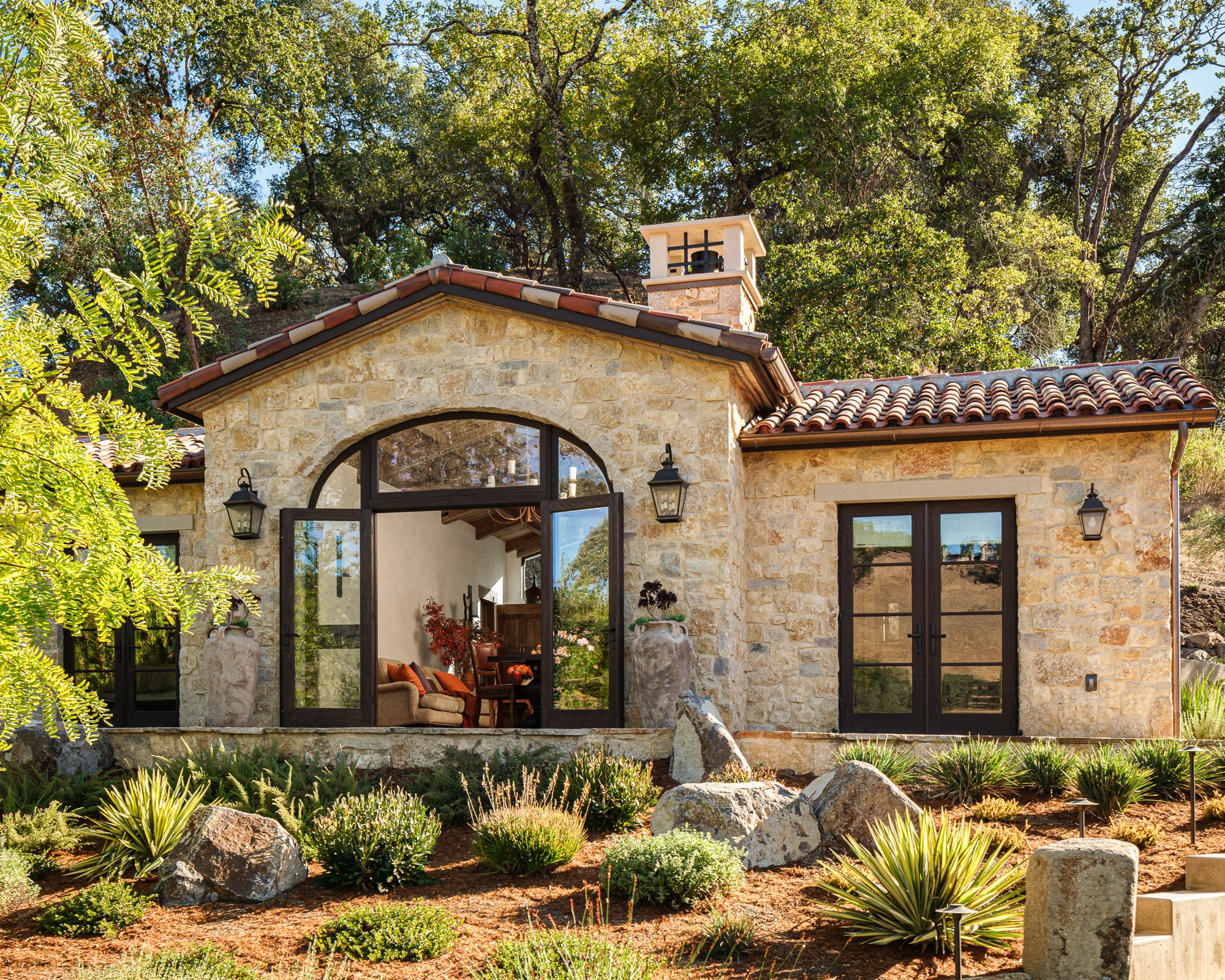
- Stone or stucco exteriors
- Low-pitched tiled roofs
- Arched windows and doorways
- Exposed wooden beams
- Wrought iron accents
These details aren’t just decorative—they were originally practical, designed to withstand heat and provide natural cooling.
Natural Materials and Textures
A defining characteristic of tuscan homes is the use of raw, organic materials:
- Limestone and sandstone
- Clay tiles
- Aged wood
- Hand-forged metals
These materials create a tactile richness that modern homes often lack.

The Warm Color Palette of Tuscan Homes
Color plays a huge role in setting the mood. Think of the Tuscan landscape—golden fields, olive groves, and burnt sunsets.
Common Color Choices
- Earthy browns and tans
- Warm yellows and ochres
- Deep reds and rust tones
- Soft greens inspired by olive trees
These colors create a cozy and welcoming environment.
Why These Colors Work
The palette mimics nature, making interiors feel grounded and harmonious. Unlike stark modern tones, these hues soften spaces and add depth.
Interior Design Elements That Bring Tuscan Homes to Life
The interior of tuscan homes is where the magic really unfolds. It’s all about layering textures, embracing imperfections, and creating warmth.
Furniture Style
Furniture tends to be:
- Solid and handcrafted
- Slightly distressed or aged
- Made from dark wood like walnut or oak
Comfort is key—nothing should feel too polished or rigid.
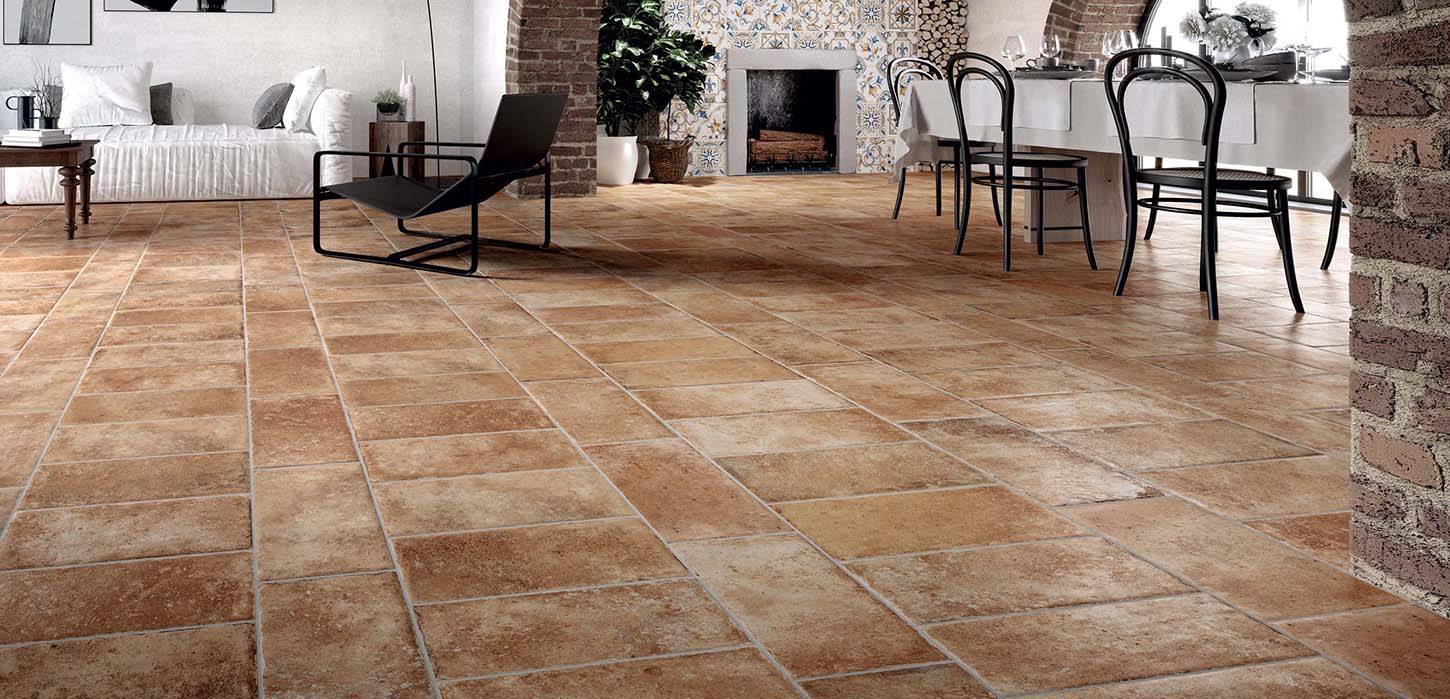
Flooring Choices
Traditional options include:
- Terracotta tiles
- Natural stone flooring
- Wide plank hardwood
These materials stay cool in warm climates and age beautifully over time.

Kitchens in Tuscan Homes
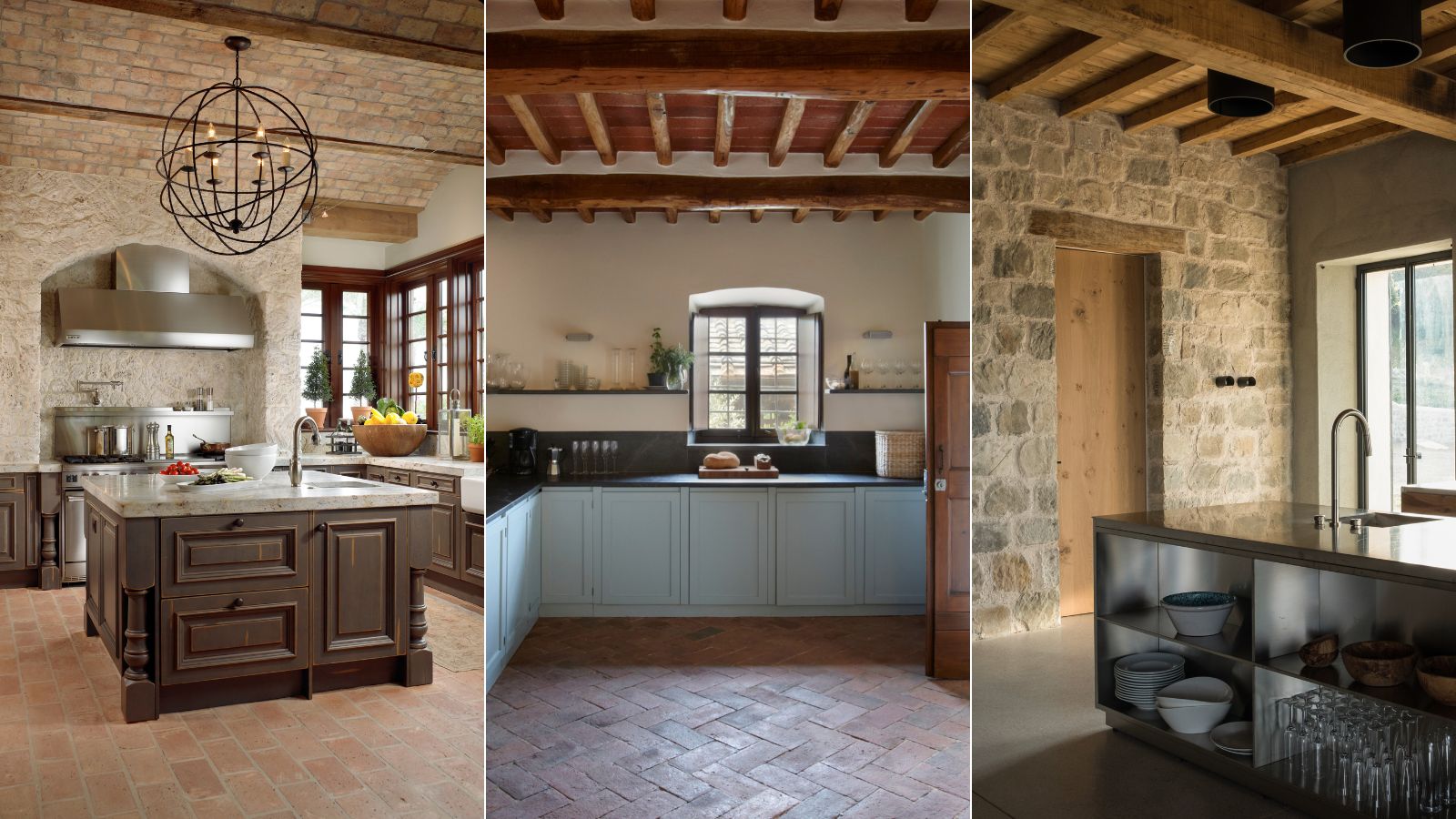
The kitchen is often considered the heart of tuscan homes, reflecting a culture centered around food and gathering.
Signature Features
- Large farmhouse sinks
- Open shelving
- Stone or tiled backsplashes
- Oversized wooden tables
These kitchens are designed for both function and connection.
Creating an Authentic Feel
To achieve this look:
- Use copper cookware as decor
- Add textured ceramics
- Incorporate natural stone countertops
The goal is to make the kitchen feel lived-in, not staged.
Outdoor Living: A Core Part of Tuscan Homes
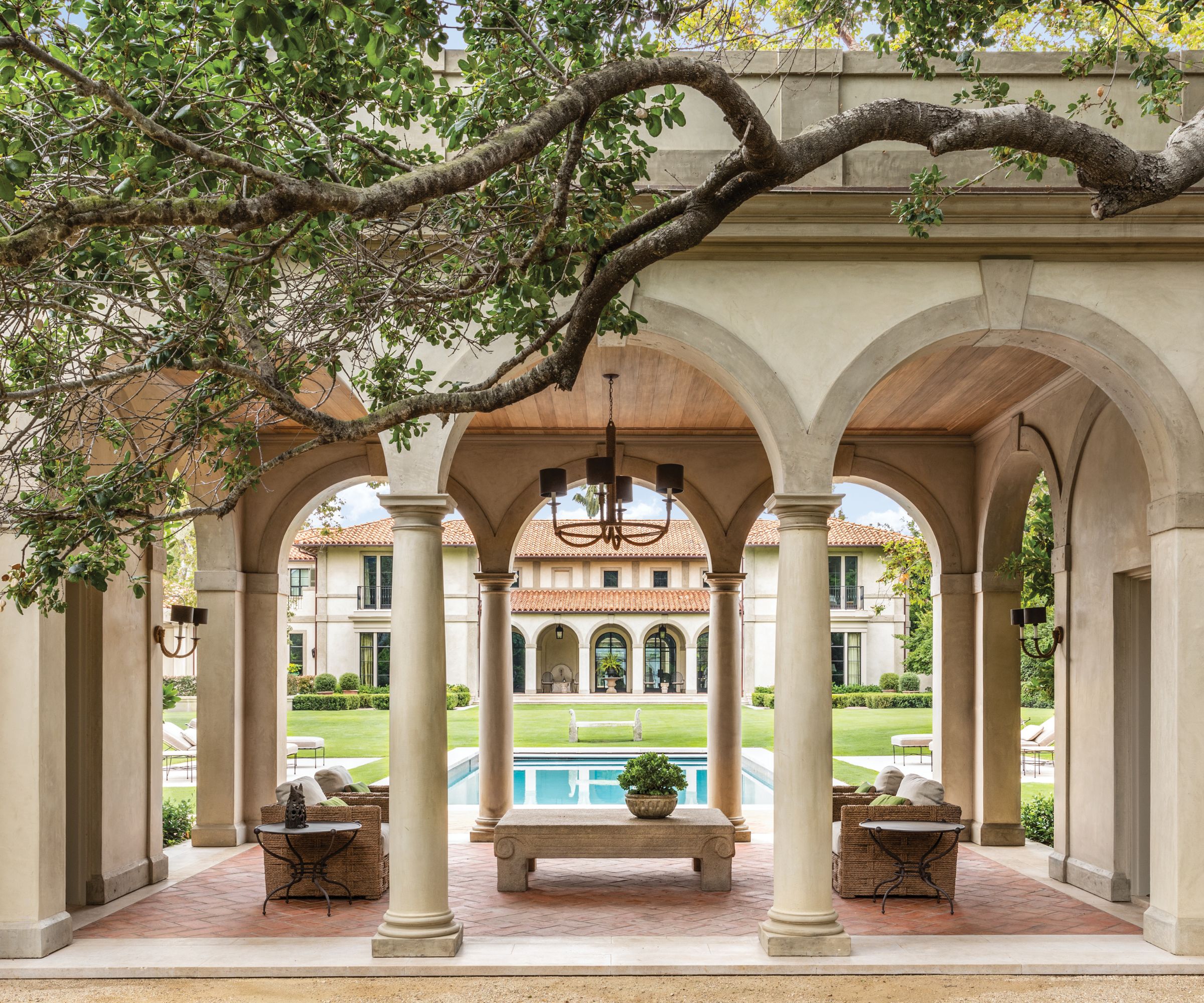
One of the most appealing aspects of tuscan homes is how seamlessly they blend indoor and outdoor living.
Outdoor Features
- Courtyards with stone paving
- Pergolas covered in vines
- Outdoor dining spaces
- Rustic fountains
These spaces encourage relaxation and socializing.
Landscaping Inspiration
Typical Tuscan landscaping includes:
- Olive trees
- Lavender bushes
- Cypress trees
- Gravel pathways
This creates a serene, Mediterranean atmosphere.
Modern Adaptations of Tuscan Homes
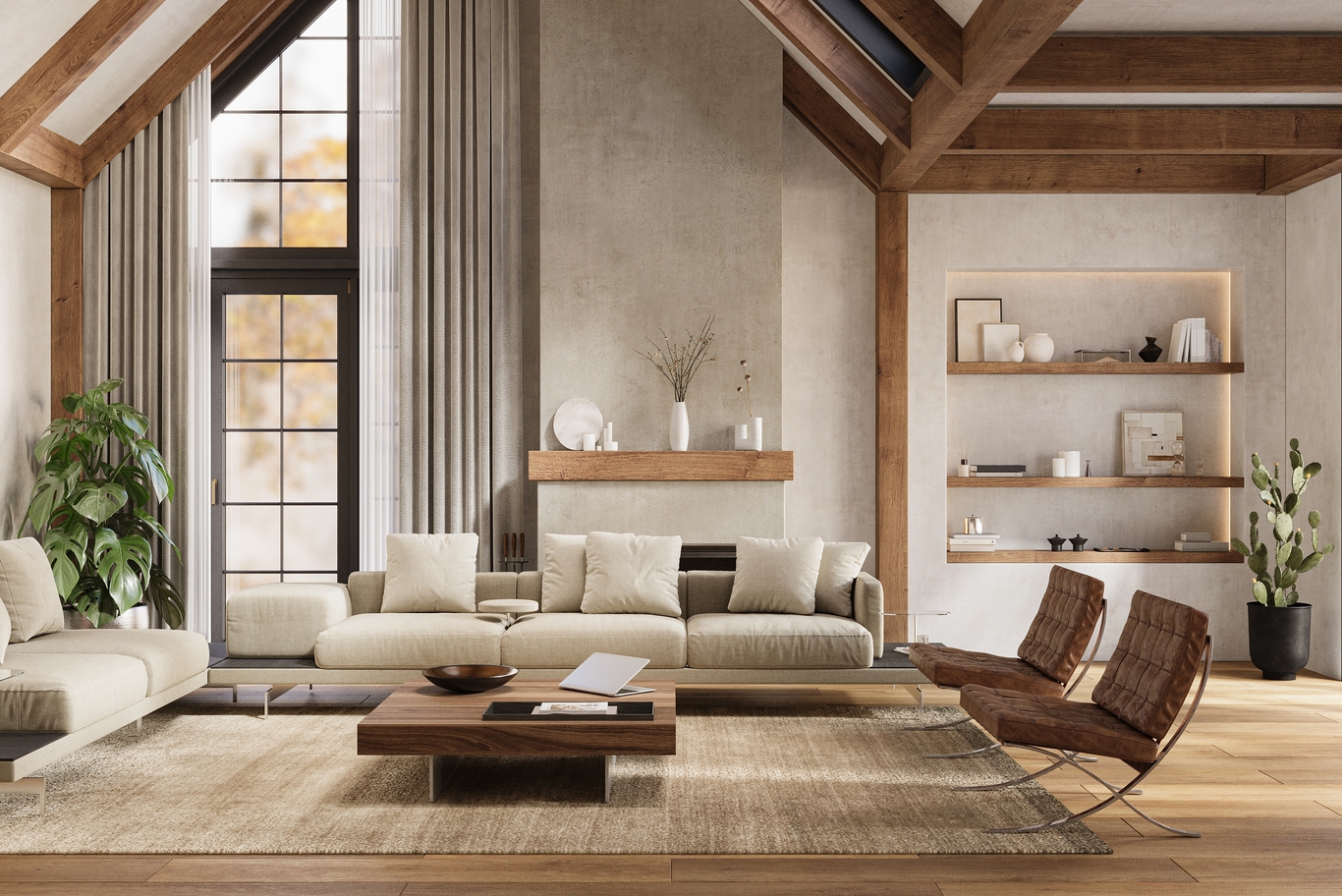
While traditional designs are timeless, modern homeowners often adapt tuscan homes to suit contemporary needs.
Blending Old and New
Modern interpretations may include:
- Open floor plans
- Larger windows for natural light
- Updated kitchens with modern appliances
- Neutral tones mixed with traditional textures
Common Mistakes to Avoid
- Over-decorating with themed items
- Using overly dark interiors
- Ignoring natural light
The key is balance—keeping the warmth without making the space feel heavy.


Benefits of Living in Tuscan Homes
Choosing tuscan homes isn’t just about aesthetics—it’s about how a space makes you feel.
Emotional Comfort
The warm tones and natural materials create a calming, welcoming environment.
Timeless Appeal
Unlike trend-driven styles, tuscan homes rarely go out of fashion.
Durability
With materials like stone and wood, these homes are built to last.
How to Bring Tuscan Homes Style Into Any Space
You don’t need to live in Italy—or own a villa—to enjoy this style.
Simple Ways to Start
- Add warm-toned paint to walls
- Use textured fabrics like linen and cotton
- Incorporate rustic wood furniture
- Display handmade pottery
Budget-Friendly Ideas
- Swap modern lighting for wrought iron fixtures
- Use peel-and-stick tiles with terracotta patterns
- Add greenery like herbs or small olive plants
Even small changes can capture the essence of tuscan homes.
Common Misconceptions About Tuscan Homes
Despite their popularity, there are a few myths surrounding this style.
Myth 1: It’s Always Dark and Heavy
In reality, traditional tuscan homes use light strategically to balance darker tones.
Myth 2: It Requires Expensive Materials
While authentic materials can be costly, similar looks can be achieved with affordable alternatives.
Myth 3: It’s Outdated
When done right, tuscan homes feel timeless—not old-fashioned.
FAQ
Frequently Asked Questions
What are tuscan homes known for?
Tuscan homes are known for their rustic charm, natural materials, warm color palettes, and strong connection to the surrounding landscape.
Can I create a tuscan style in a small house?
Yes, even small spaces can embrace this style through color choices, textures, and simple decor elements.
Are tuscan homes suitable for modern living?
Absolutely. Many homeowners blend traditional features with modern layouts and amenities.
What materials are commonly used in tuscan homes?
Stone, terracotta, wood, and wrought iron are the most commonly used materials.
How do I choose colors for a tuscan-style home?
Stick to earthy tones like warm yellows, browns, reds, and muted greens inspired by nature.
Is tuscan design expensive?
It can be, but there are many affordable ways to replicate the look using modern materials.
What type of furniture fits tuscan homes?
Rustic, sturdy, and slightly aged wooden furniture works best.
Can tuscan homes work in different climates?
Yes, though some features may need adaptation depending on the local weather.
Conclusion
There’s a reason why tuscan homes continue to capture hearts across the world—they offer more than just visual appeal. They bring warmth, authenticity, and a sense of timeless comfort that’s hard to replicate with modern design trends.
By focusing on natural materials, earthy colors, and a welcoming atmosphere, you can create a space that feels both elegant and deeply personal. Whether you go all-in or simply borrow a few elements, the spirit of Tuscany can live beautifully in any home.