
Introduction
You step out onto your balcony, hoping for a quiet moment—and instead, you’re greeted by neighbors, street noise, and zero personal space. That’s exactly why balcony privacy ideas matter more than ever, especially in dense urban living.
A balcony should feel like an extension of your home, not a public viewing deck. Whether you’re sipping coffee, working remotely, or just unwinding, privacy transforms the experience completely. The good news? You don’t need a massive budget or permanent renovations to make it happen.
From simple DIY fixes to stylish upgrades, there are practical ways to block unwanted views while enhancing the aesthetics of your space. Let’s break down what actually works—and what’s just hype.
Why Balcony Privacy Is More Important Than You Think
Privacy isn’t just about blocking people—it’s about control over your environment.
When your balcony lacks privacy, you’re less likely to use it. That’s wasted real estate, especially in apartments where every square foot counts. Beyond comfort, privacy also helps:
- Reduce noise exposure
- Improve relaxation and mental focus
- Increase usable living space
- Add value to your property


But here’s the mistake most people make: they focus only on blocking views, not on creating a functional and visually appealing space. The goal is both privacy and design.
Types of Balcony Privacy Solutions
Fixed vs. Temporary Privacy Options
Before jumping into ideas, you need to understand the two categories:
Fixed solutions
- Permanent installations
- More durable
- Higher upfront cost
- Ideal for homeowners
Temporary solutions
- Easy to install/remove
- Budget-friendly
- Perfect for renters
Your choice depends on your living situation. If you’re renting, avoid anything that requires drilling or structural changes.
Creative Balcony Privacy Ideas That Actually Work
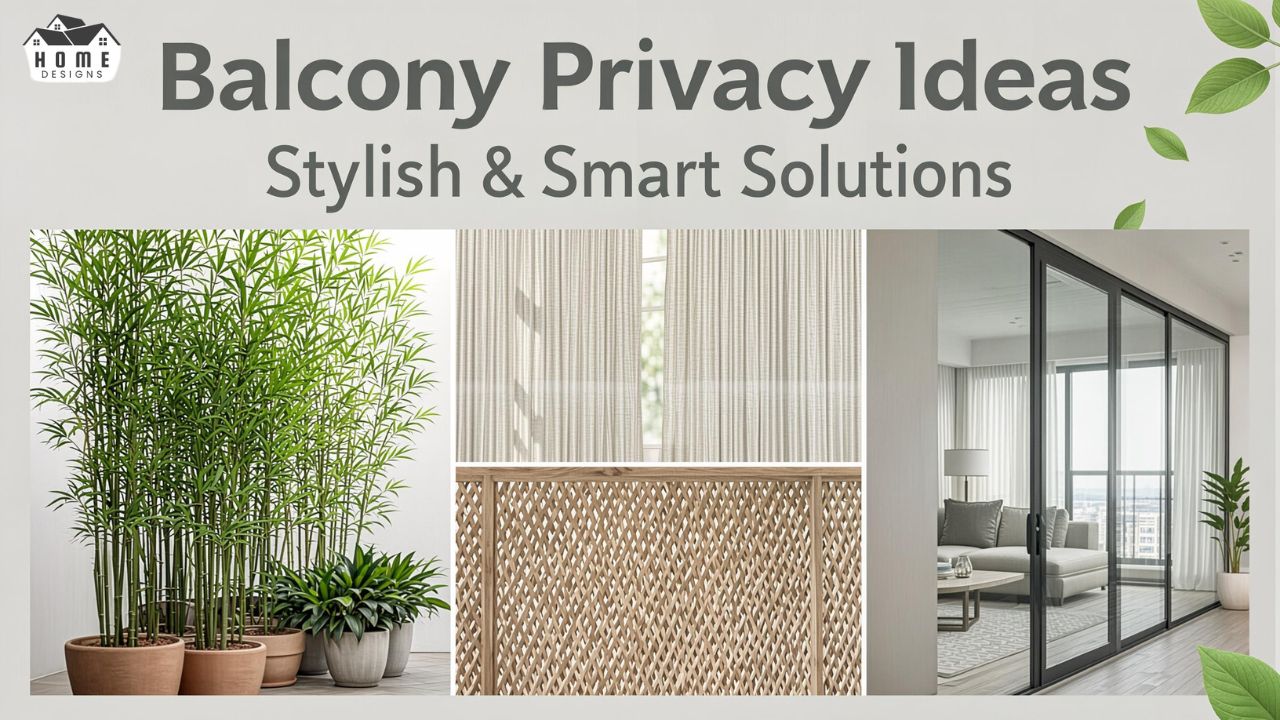
Balcony Privacy Ideas Using Plants
Plants are one of the smartest ways to create privacy without making your space feel closed off.
They act as a natural barrier while improving air quality and aesthetics.
Best plant options:
- Bamboo (fast-growing, dense coverage)
- Areca palm (light, airy privacy)
- Climbing ivy or vines (vertical coverage)
- Tall grasses (modern look)


Pro tip: Use vertical planters or tiered stands to maximize coverage without sacrificing floor space.
Fabric Curtains for Flexible Privacy
Outdoor curtains are underrated.
They’re cheap, easy to install, and instantly transform your balcony into a private lounge.
Why they work:
- Adjustable coverage
- Lightweight and breathable
- Stylish and customizable
Look for weather-resistant fabrics like polyester blends. Avoid cotton—it absorbs moisture and gets damaged quickly.
Privacy Screens and Panels
If you want something structured, screens are your best bet.
Types of screens:
- Wooden lattice panels
- PVC or composite panels
- Metal decorative screens
- Foldable room dividers
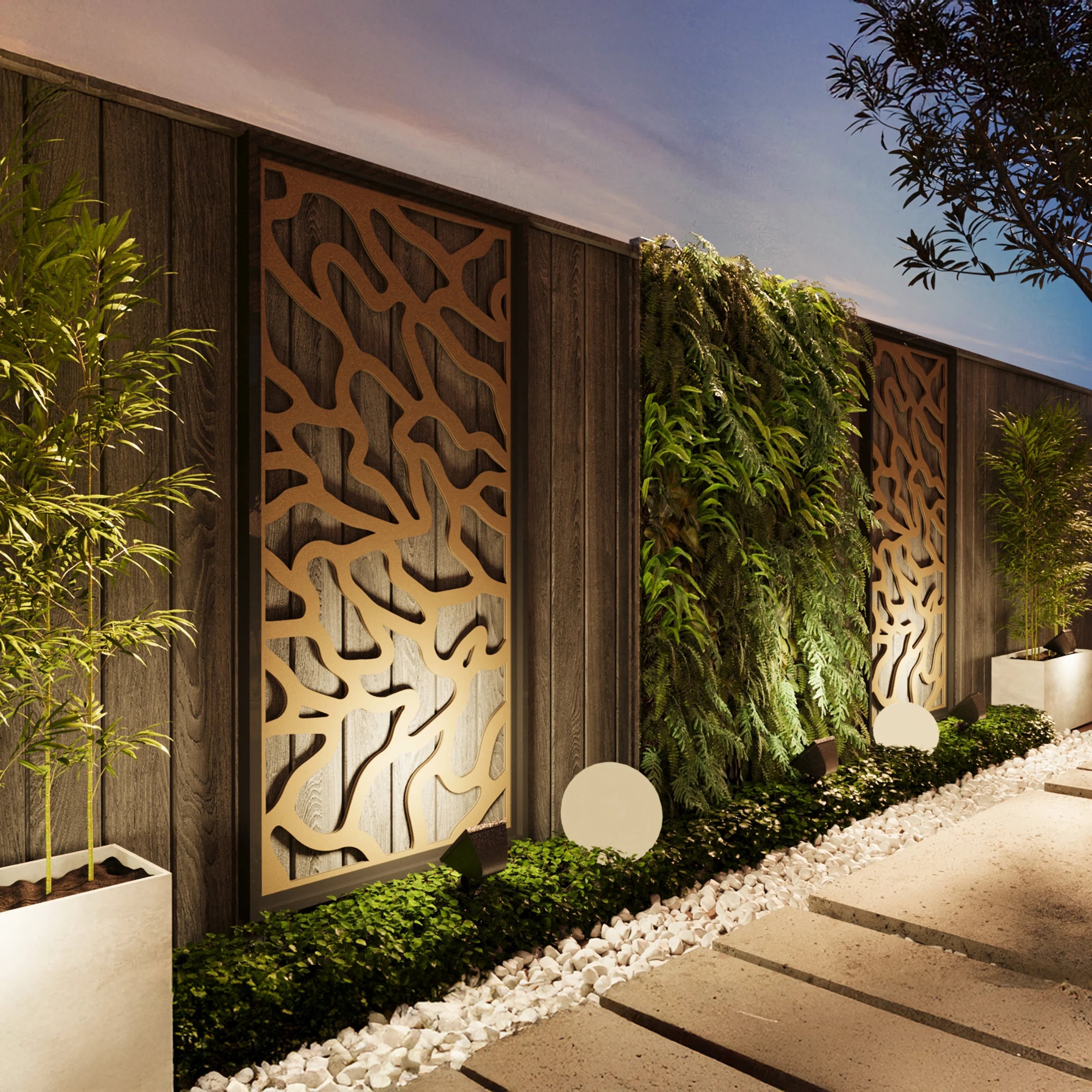


They offer immediate coverage and can double as design elements. Go for patterns that allow airflow while blocking direct visibility.
Balcony Privacy Ideas with Outdoor Rugs and Layout Tricks
This is where most people fail—they ignore layout.
You can create privacy by strategically placing furniture and decor.
Smart layout tricks:
- Place tall furniture (like shelves) along exposed edges
- Use outdoor rugs to define zones
- Position seating away from direct sightlines
It’s not always about blocking—it’s about redirecting attention.
Bamboo or Reed Fencing
This is one of the fastest and cheapest fixes.
You can attach bamboo rolls directly to railings for instant coverage.
Pros:
- Affordable
- Easy installation
- Natural aesthetic
Cons:
- Less durable over time
- Limited design flexibility
Still, for budget setups, this is hard to beat.
Balcony Privacy Ideas Using Shade Sails
Shade sails are not just for sun—they’re powerful privacy tools.
They block overhead visibility and create a cozy enclosure.
Best for:
- Top-floor balconies
- Open terraces
- Areas with direct sunlight
Choose neutral colors to keep the space visually calm.
Frosted Glass or Acrylic Panels
If you want a modern, clean look—this is it.
Frosted panels block visibility while allowing light to pass through.
Why they’re effective:
- Sleek design
- Long-lasting
- Low maintenance
This is more of a long-term investment, but it instantly upgrades the look of your balcony.
Budget-Friendly Balcony Privacy Ideas
Not everyone wants to spend big—and you don’t need to.
Here are practical low-cost options:
- Zip ties + fabric sheets
- DIY pallet walls
- Hanging macrame panels
- Old blinds repurposed as screens
- Cardboard + waterproof coating (short-term fix)
The key is creativity, not cost.
Mistakes That Ruin Balcony Privacy Setups
Let’s be blunt—most setups fail because of poor decisions.
Common mistakes:
- Blocking airflow completely (makes space uncomfortable)
- Using heavy materials on weak railings
- Ignoring weather resistance
- Overcrowding small balconies
- Choosing aesthetics over function
Privacy should enhance usability, not kill it.
How to Choose the Right Solution for Your Space
Don’t copy Pinterest blindly. Your setup depends on:
1. Balcony size
Small spaces need vertical solutions. Large spaces allow layered privacy.
2. Budget
Decide upfront—DIY or premium?
3. Ownership
Renters should stick to removable options.
4. Climate
Windy areas require sturdy installations.
5. Purpose
Relaxation, work, or entertainment? Each needs a different setup.
FAQ
What are the cheapest balcony privacy ideas?
Using fabric sheets, bamboo fencing, or DIY panels are the cheapest options. They cost little but still provide effective coverage.
How can I add privacy without blocking sunlight?
Use sheer curtains, frosted panels, or spaced-out plants. These allow light while reducing visibility.
Are plants enough for full privacy?
Not always. Plants work best when dense or combined with other solutions like screens.
Can renters install privacy solutions?
Yes—stick to non-permanent options like curtains, bamboo rolls, or freestanding panels.
How do I make my balcony private from above?
Use shade sails, pergola covers, or overhead fabric canopies.
What is the most durable privacy option?
Metal or composite panels are the most durable and weather-resistant.
Do privacy screens block airflow?
Some do. Choose designs with patterns or gaps to maintain ventilation.
How long do bamboo screens last?
Typically 1–3 years depending on weather exposure and quality.
Conclusion
Most people overcomplicate this. You don’t need a massive renovation to make your balcony usable—you just need the right approach.
Start with your goal: Do you want full isolation, partial privacy, or just visual separation? Then pick a solution that matches your budget and space constraints.
The smartest setups combine multiple balcony privacy ideas—plants for aesthetics, screens for structure, and fabrics for flexibility. That’s how you create a space that’s not just private, but actually worth using.
Stop leaving your balcony exposed and unused. Fix it properly, and it becomes one of the most valuable parts of your home.