
Introduction
A plain backyard can feel unfinished, but the right structure can completely transform it. That’s where backyard retaining wall ideas come in—they’re not just practical solutions for uneven ground, they’re powerful design elements that shape how your outdoor space looks and functions.
Whether you’re dealing with a sloped yard, erosion issues, or just want to create defined levels, retaining walls can turn a messy landscape into a structured, visually appealing environment. And if you think they’re only about functionality, you’re missing half the picture.
The real opportunity lies in combining engineering with creativity. From rustic stone walls to sleek modern concrete designs, there are endless ways to make your yard stand out while solving real problems.
What Is a Retaining Wall and Why It Matters
A retaining wall is a structural feature designed to hold back soil and prevent erosion, especially on sloped land. But beyond that technical definition, it acts as a foundation for better landscaping.
Why homeowners install retaining walls
- Prevent soil erosion and water runoff
- Create usable flat spaces in sloped yards
- Improve drainage and prevent flooding
- Add visual depth and layering
- Increase property value
If your yard isn’t flat—and most aren’t—ignoring this solution is a mistake. You’re either fighting nature or working with it. Retaining walls let you control the terrain instead of constantly dealing with its problems.
Backyard Retaining Wall Ideas for Every Style
Choosing the right design isn’t just about looks—it’s about durability, maintenance, and how well it fits your environment.
Natural Stone Retaining Walls


Natural stone is one of the most timeless options. It blends seamlessly into outdoor environments and doesn’t feel forced or artificial.
Why it works:
- Extremely durable
- Weather-resistant
- Adds organic texture
But here’s the trade-off: it’s expensive and labor-intensive. If you’re going for long-term value, it’s worth it. If you’re trying to cut corners, skip it.
Concrete Block Walls
Concrete blocks are the most practical option for many homeowners. They’re engineered for strength and relatively easy to install.
Advantages:
- Budget-friendly
- Uniform look
- Strong structural integrity
You can also paint or texture them to avoid the “plain” look. Don’t underestimate how much finish matters—raw concrete can look cheap if not styled properly.
Timber Retaining Walls

Timber offers a warm, natural feel that works well in casual or rustic settings.
Best for:
- Small to medium walls
- Budget-conscious projects
- DIY installations
However, timber has a lifespan issue. Even treated wood will degrade over time, especially in wet climates. If you go this route, accept that replacement is inevitable.
Creative Multi-Level Landscaping Designs
Flat yards are boring. Multi-level landscaping creates depth and makes your backyard feel bigger and more dynamic.
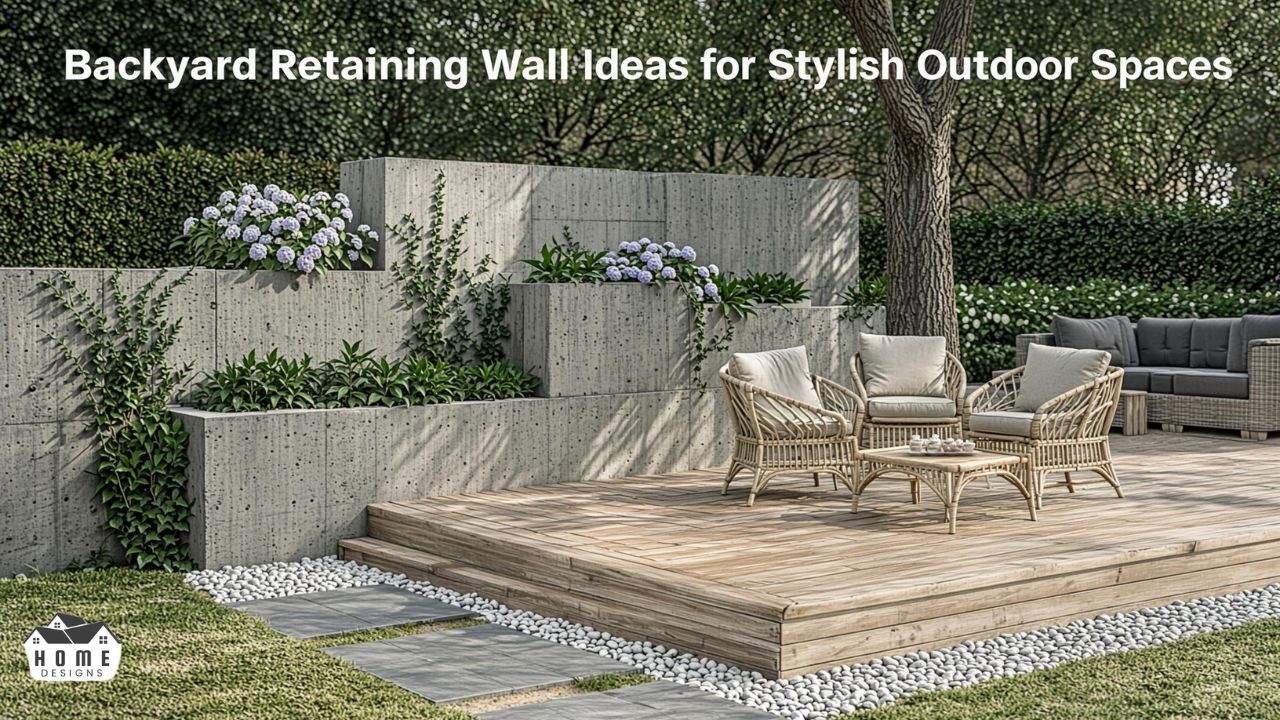
Tiered Retaining Walls
Instead of one large wall, build multiple smaller tiers.
Benefits:
- Reduces pressure on each wall
- Easier to build and maintain
- Allows for layered planting
Each tier can serve a purpose—seating, planting, or pathways. It’s not just about holding soil; it’s about designing experiences.
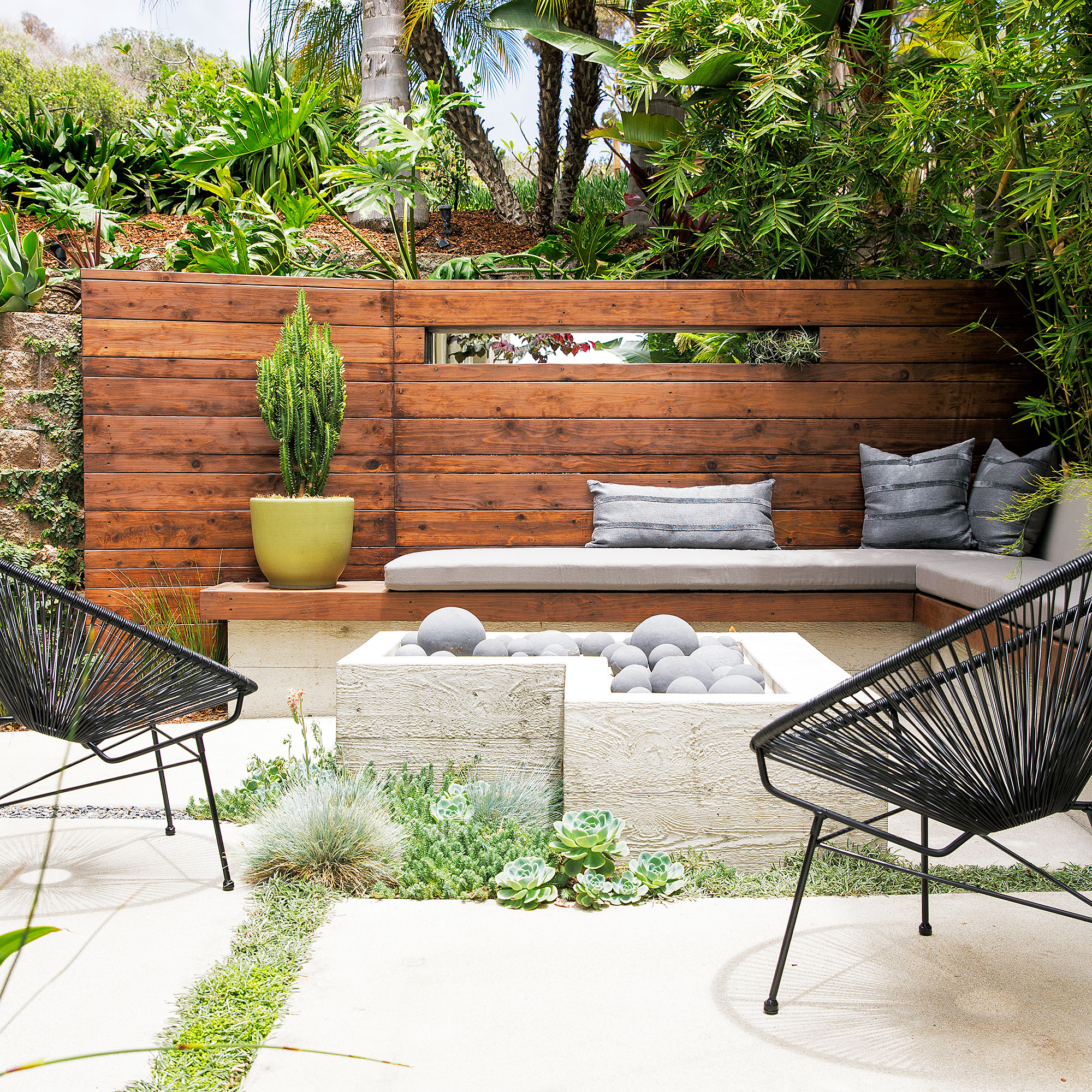
Retaining Walls with Built-In Seating
This is where function meets smart design. Instead of adding furniture, integrate seating directly into the wall.
Why this works:
- Saves space
- Reduces clutter
- Creates a cohesive look
It’s especially effective in smaller yards where every inch matters.
Backyard Retaining Wall Ideas Using Modern Materials
If your taste leans toward contemporary design, traditional materials won’t cut it.
Gabion Walls
Gabion walls use metal cages filled with stones. They look industrial but can be surprisingly stylish.
Key features:
- Excellent drainage
- Unique aesthetic
- Low maintenance
Not everyone likes the look, but if done right, it becomes a standout feature.
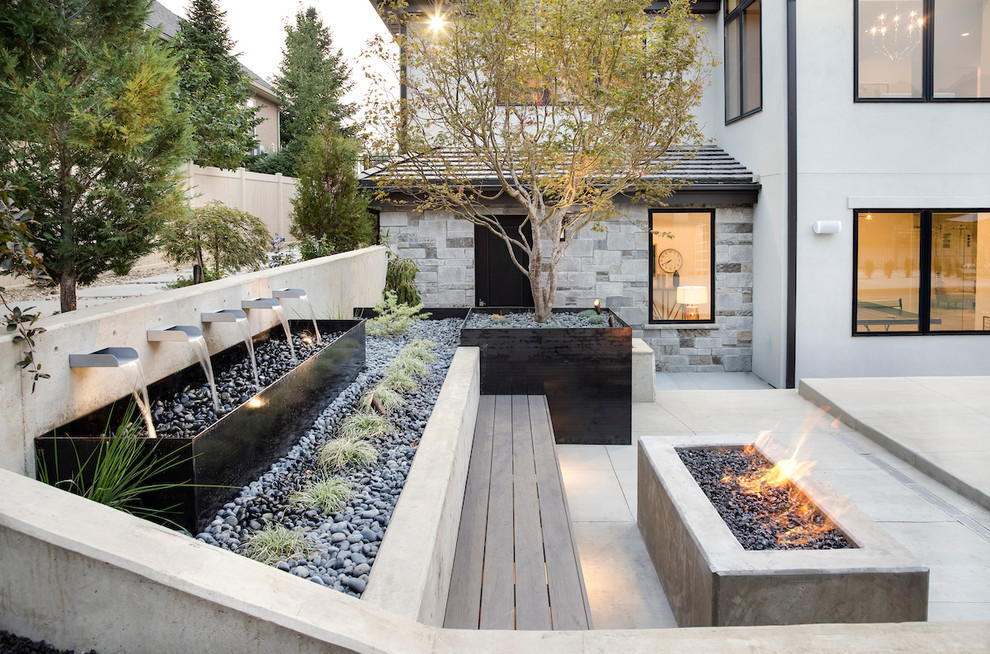
Poured Concrete Walls
Clean lines, smooth finishes—this is modern landscaping at its best.
Pros:
- Minimalist design
- Long lifespan
- Highly customizable
But here’s the reality: mistakes are permanent. Poor workmanship will ruin the entire look, so don’t cheap out on labor.

Functional Enhancements You Shouldn’t Ignore
A retaining wall that only looks good but fails functionally is a bad investment.
Drainage Systems
Water is the biggest enemy of retaining walls. Without proper drainage, even the strongest wall will fail.
Must-have elements:
- Gravel backfill
- Drain pipes
- Weep holes
Skip this, and you’re basically building something that’s guaranteed to collapse over time.
Lighting Integration
Adding lighting transforms your wall from a daytime feature into a nighttime highlight.
Options:
- LED strip lighting
- Recessed lights
- Solar fixtures
Lighting isn’t just aesthetic—it improves safety and usability after dark.
Budget-Friendly Retaining Wall Options
Not everyone has the budget for stone or concrete. That doesn’t mean you’re out of options.
DIY Retaining Walls
If you’re willing to put in the work, DIY can save serious money.
Best materials for DIY:
- Interlocking blocks
- Timber
- Recycled materials
But be realistic. A poorly built wall is worse than no wall at all. If the structure is over a certain height, hire a professional.
Recycled and Upcycled Materials
Using reclaimed bricks or stones can cut costs while adding character.
Benefits:
- Eco-friendly
- Unique appearance
- Lower material cost
Just make sure the materials are still structurally sound. Looks don’t matter if the wall fails.
Common Mistakes to Avoid
Most retaining wall failures aren’t due to bad materials—they’re due to bad planning.
Ignoring Soil Conditions
Different soils behave differently. Clay, sand, and loam all require different approaches.
Skipping Permits
In many areas, walls over a certain height require approval. Ignoring this can lead to fines or forced removal.
Underestimating Load Pressure
The taller the wall, the greater the pressure behind it. This isn’t guesswork—it’s engineering.
FAQ
What is the cheapest way to build a retaining wall?
Using timber or interlocking concrete blocks is usually the most affordable option, especially for DIY projects.
How long do retaining walls last?
Concrete and stone walls can last 50+ years, while timber typically lasts 10–20 years depending on conditions.
Do I need drainage behind a retaining wall?
Yes. Without proper drainage, water pressure will build up and eventually cause the wall to fail.
Can I build a retaining wall myself?
Small walls under 3–4 feet can often be DIY. Larger structures require professional engineering.
What is the best material for durability?
Natural stone and reinforced concrete are the most durable options available.
Are retaining walls expensive?
Costs vary widely. Budget options can start low, but premium materials and labor can increase costs significantly.
Do retaining walls add value to a home?
Yes. They improve usability, aesthetics, and overall landscape appeal, which can boost property value.
How high can a retaining wall be without engineering?
This depends on local regulations, but typically walls over 4 feet require professional design.
Conclusion
Most people underestimate how much impact a retaining wall can have on a backyard. It’s not just about holding soil—it’s about creating structure, solving drainage problems, and turning unusable space into something functional and attractive.
The difference between a mediocre yard and a standout one often comes down to how well you manage elevation and layout. If you approach backyard retaining wall ideas with both function and design in mind, you’re not just improving your landscape—you’re upgrading the entire experience of your outdoor space.